United States - English
Canada - English
Canada - Français
Mexico - English
México - Español
Latin America - English
América Latina - Español
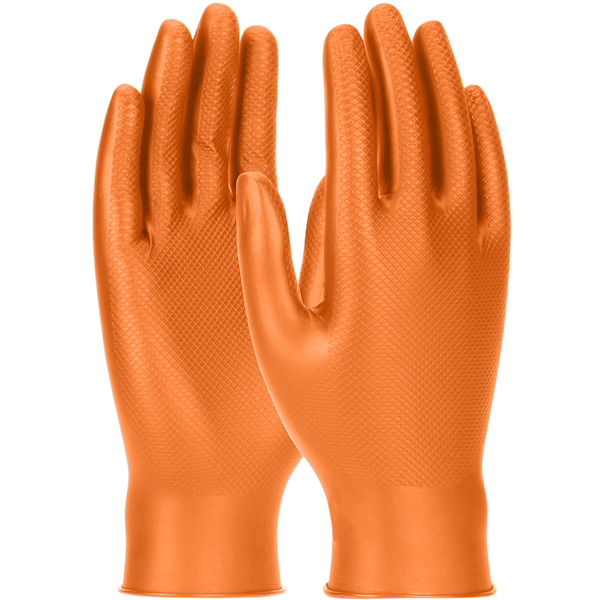
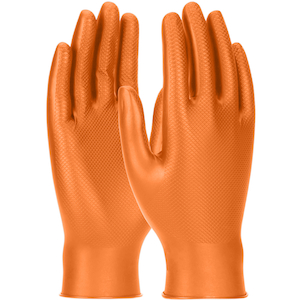
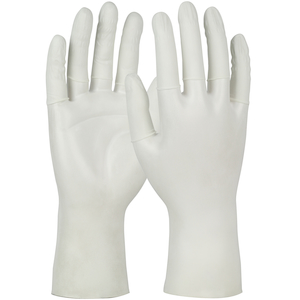
Extended Use Disposable GlovesGrippaz™ Skins67-256
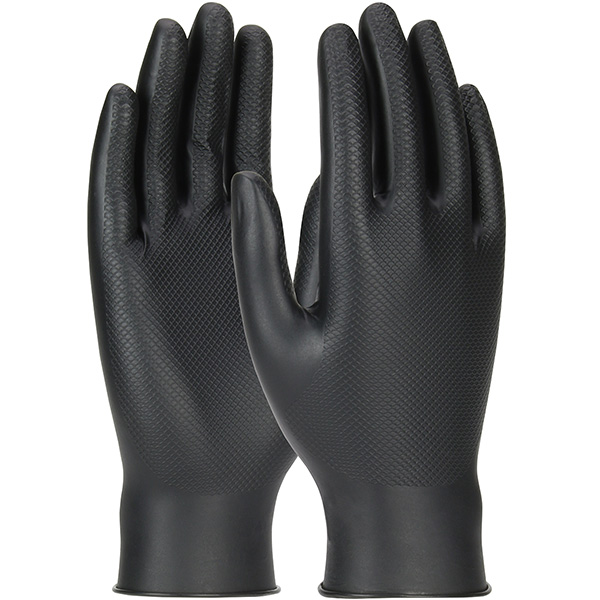
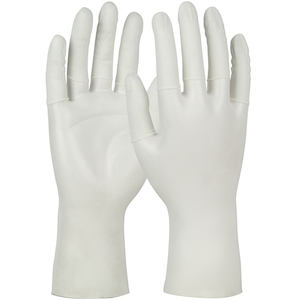
Extended Use Disposable GlovesGrippaz™ Skins67-246
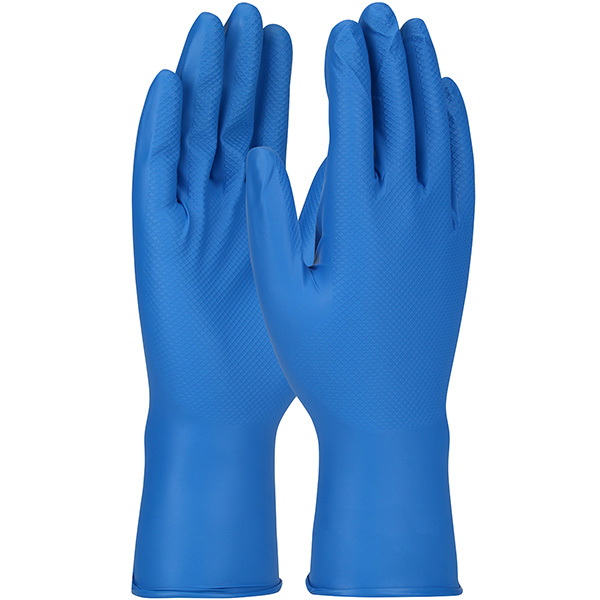
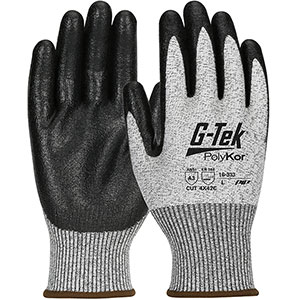
Extended Use Disposable GlovesGrippaz™ Food Plus67-308
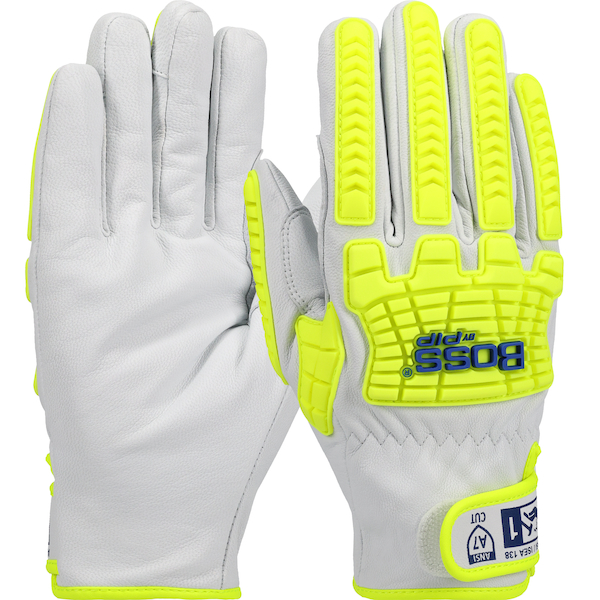
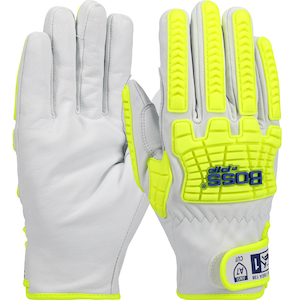
Hi Performance GloveBoss® 9916
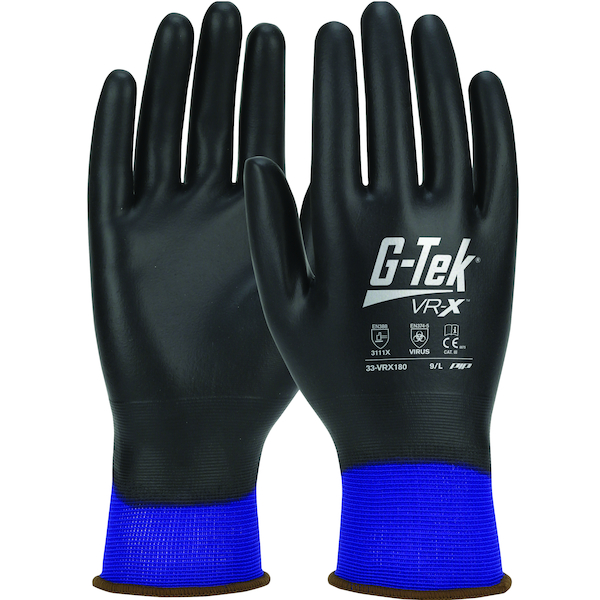
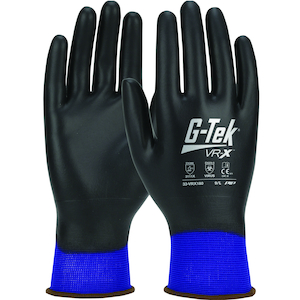
General Purpose Gloves - CoatedG-Tek® VR-X™33-VRX180
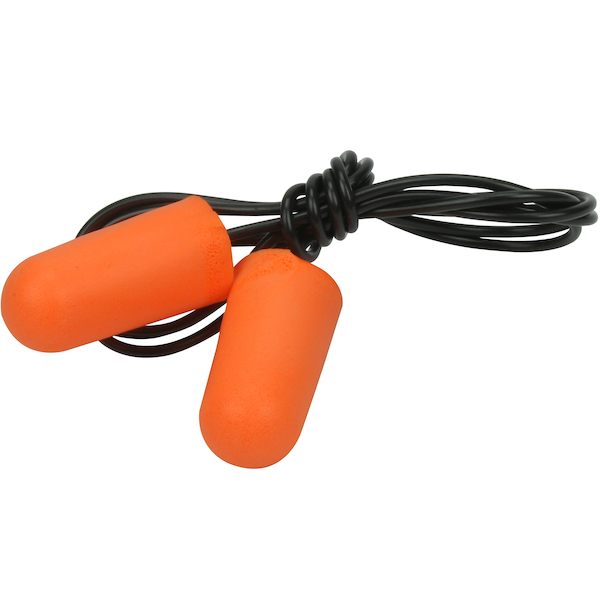
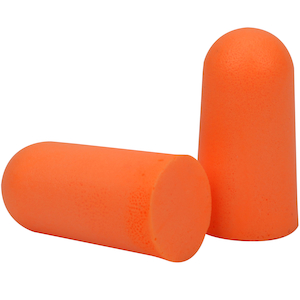
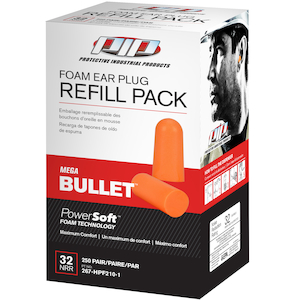
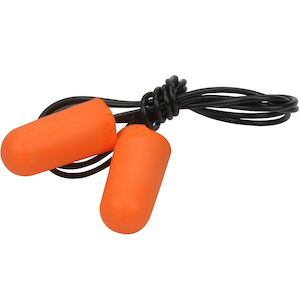
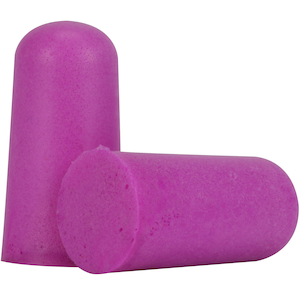
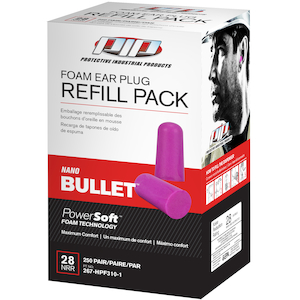
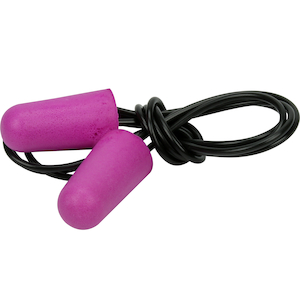
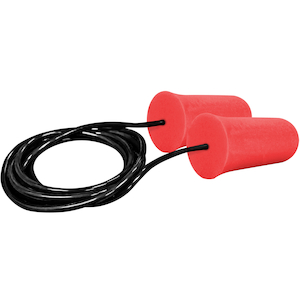
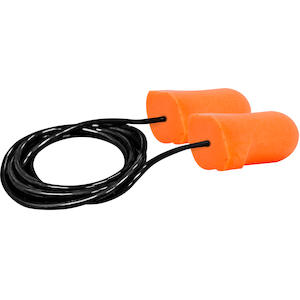
Ear PlugsPIP® Mega Bullet™267-HPF210C
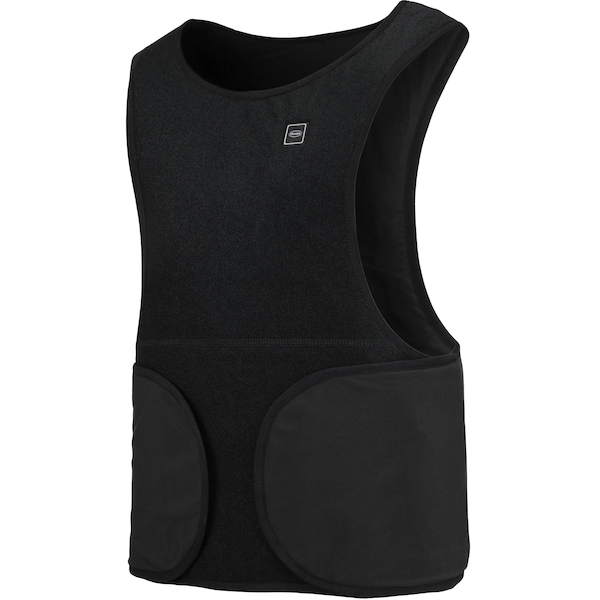
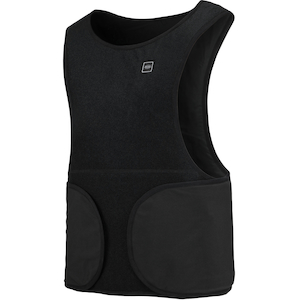
Heated ApparelBoss® Therm™300-HV100
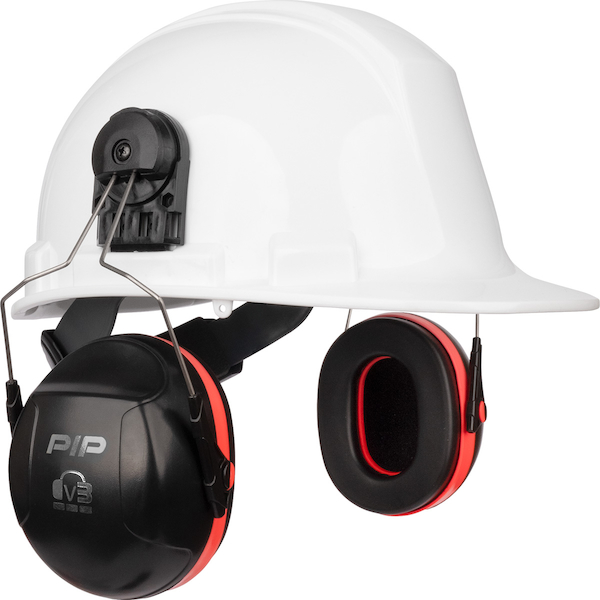
Ear MuffsPIP® v3™263-V3CM
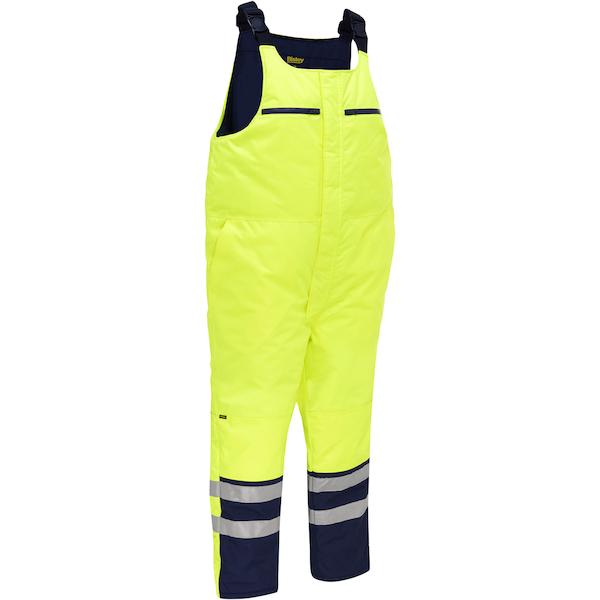
Cold Weather WearBisley® Extreme Cold318M6452T
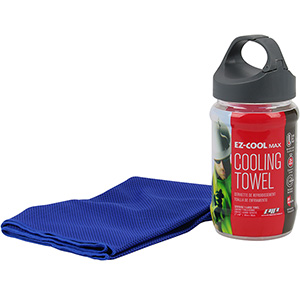
Evaporative CoolingPIP® EZ-Cool® Max396-EZ900
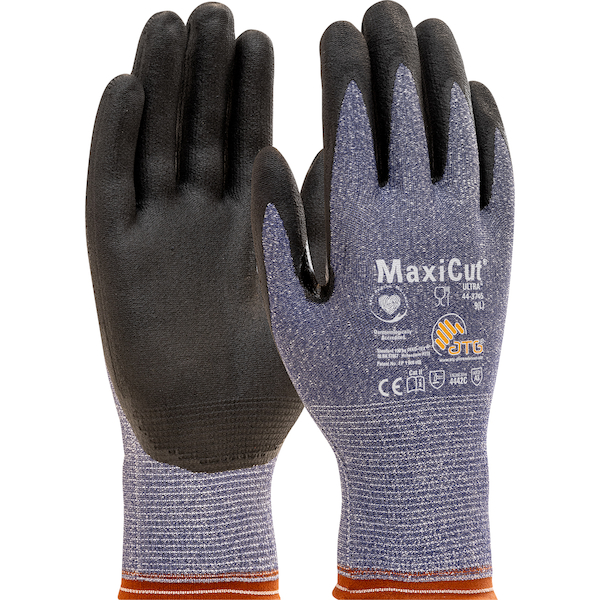
Cut Resistant GlovesATG® MaxiCut® Ultra™44-3745
United States - English
Canada - English
Canada - Français
Mexico - English
México - Español
Latin America - English
América Latina - Español
From exciting product innovations to educational resources, we're dedicated to bringing the best of the world to you.
PIP is revolutionizing worker safety with innovative, sustainable, and high-performance protective equipment. Designed for superior comfort and reliability, our products set new standards in personal protection, enhancing safety and productivity for workers worldwide.
New edition ANSI/ISEA 105-2024 outlines a new test method for determining cut scores and a revised scale from A1-A9. Click here for more information about the new testing standard.
The ANSI/ISEA 105-2024 standard outlines test methods for abrasion and is scored from 0-6. The ASTM D3389-10 is used for uncoated gloves and the end point (failure) is the number of abrasion cycles when the first thread or yarn is broken. The larger numbers of cycles indicates greater abrasion resistance of the product and a higher Abrasion Level.
The ANSI/ISEA 105-2024 blunt force puncture testing uses a probe to simulate a tear or burst hazard. The test measures the amount of force needed for a blunt probe to pierce through PPE material. Results are given in Newtons, which is converted into a 1-5 scale and spans from 10 newtons (Level 1) to 150+ newtons (Level 5) of puncture resistance.
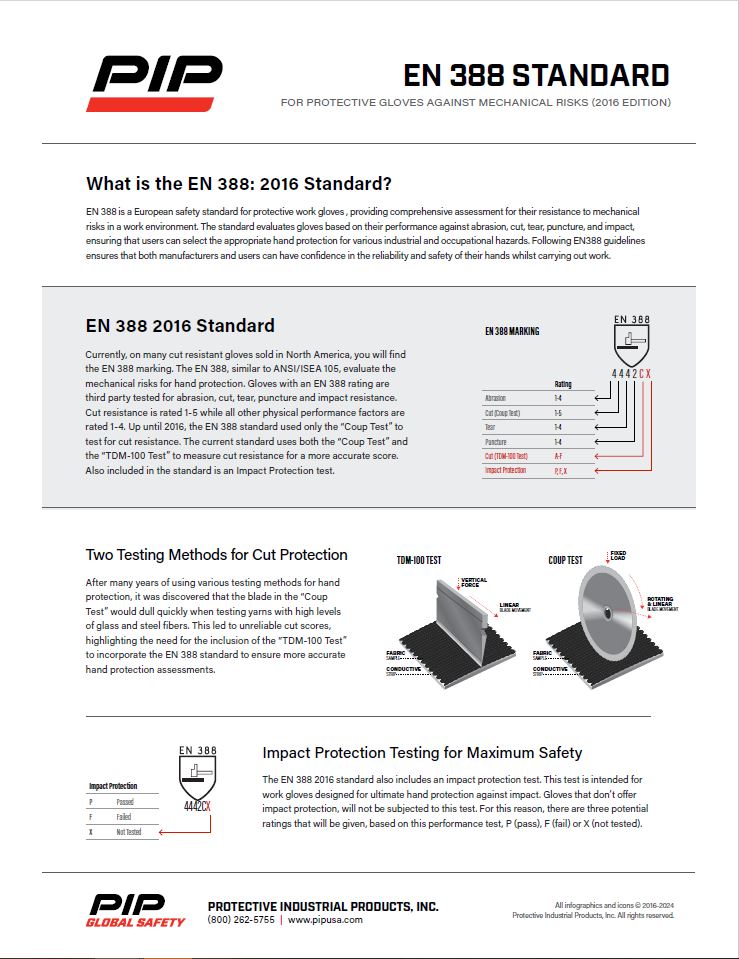
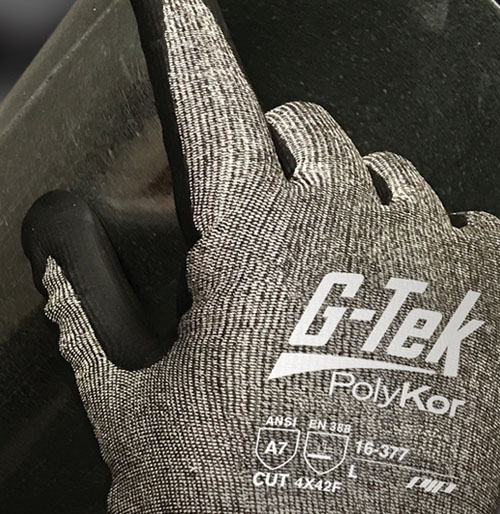
EN 388 is a European Standard. Cut Level is determined by the number of cycles it takes a spinning circular blade, that is pulled across the material under a constant weight of 500 grams, to cut the fabric. As the number of cycles increase, so does the glove's ratings. Click here for more information about the EN 388 2016 standard.
New edition ANSI/ISEA 105-2024 outlines a new test method for determining cut scores and a revised scale from A1-A9. Click here for more information about the new testing standard.
The ANSI/ISEA 105-2024 standard outlines test methods for abrasion and is scored from 0-6. The ASTM D3389-10 is used for uncoated gloves and the end point (failure) is the number of abrasion cycles when the first thread or yarn is broken. The larger numbers of cycles indicates greater abrasion resistance of the product and a higher Abrasion Level.
The ANSI/ISEA 105-2024 blunt force puncture testing uses a probe to simulate a tear or burst hazard. The test measures the amount of force needed for a blunt probe to pierce through PPE material. Results are given in Newtons, which is converted into a 1-5 scale and spans from 10 newtons (Level 1) to 150+ newtons (Level 5) of puncture resistance.

EN 388 is a European Standard. Cut Level is determined by the number of cycles it takes a spinning circular blade, that is pulled across the material under a constant weight of 500 grams, to cut the fabric. As the number of cycles increase, so does the glove's ratings. Click here for more information about the EN 388 2016 standard.
New edition ANSI/ISEA 105-2024 outlines a new test method for determining cut scores and a revised scale from A1-A9. Click here for more information about the new testing standard.
The ANSI/ISEA 105-2024 standard outlines test methods for abrasion and is scored from 0-6. The ASTM D3389-10 is used for uncoated gloves and the end point (failure) is the number of abrasion cycles when the first thread or yarn is broken. The larger numbers of cycles indicates greater abrasion resistance of the product and a higher Abrasion Level.
The ANSI/ISEA 105-2024 blunt force puncture testing uses a probe to simulate a tear or burst hazard. The test measures the amount of force needed for a blunt probe to pierce through PPE material. Results are given in Newtons, which is converted into a 1-5 scale and spans from 10 newtons (Level 1) to 150+ newtons (Level 5) of puncture resistance.
ANSI/ISEA 138 is a new, voluntary standard for the North American market designed to accurately classify different levels of impact protection offered by the impact-resistant gloves on the market. Click here for more information on our G-Tek Impact Series.
EN 388 is a European Standard. Cut Level is determined by the number of cycles it takes a spinning circular blade, that is pulled across the material under a constant weight of 500 grams, to cut the fabric. As the number of cycles increase, so does the glove's ratings. Click here for more information about the EN 388 2016 standard.
ESD is an acronym for electrostatic discharge. This discharge is the rapid transfer of static between two different objects. Although ESD doesn’t typically cause harm to the human body - you might only experience it as a small, surprising shock - it can cause extensive damage to electrical equipment and sensitive instruments. This damage may either be permanent, causing the device to malfunction (known as a catastrophic failure), or it may occur on a smaller scale that would be difficult to detect before the device is sent out for service (known as latent defect).
The ANSI/ISEA 105-2024 standard outlines test methods for abrasion and is scored from 0-6. The ASTM D3389-10 is used for uncoated gloves and the end point (failure) is the number of abrasion cycles when the first thread or yarn is broken. The larger numbers of cycles indicates greater abrasion resistance of the product and a higher Abrasion Level.
The ANSI/ISEA 105-2024 blunt force puncture testing uses a probe to simulate a tear or burst hazard. The test measures the amount of force needed for a blunt probe to pierce through PPE material. Results are given in Newtons, which is converted into a 1-5 scale and spans from 10 newtons (Level 1) to 150+ newtons (Level 5) of puncture resistance.
EN 388 is a European Standard. Cut Level is determined by the number of cycles it takes a spinning circular blade, that is pulled across the material under a constant weight of 500 grams, to cut the fabric. As the number of cycles increase, so does the glove's ratings. Click here for more information about the EN 388 2016 standard.
The ANSI/ISEA 105-2024 standard outlines test methods for abrasion and is scored from 0-6. The ASTM D3389-10 is used for uncoated gloves and the end point (failure) is the number of abrasion cycles when the first thread or yarn is broken. The larger numbers of cycles indicates greater abrasion resistance of the product and a higher Abrasion Level.
The ANSI/ISEA 105-2024 blunt force puncture testing uses a probe to simulate a tear or burst hazard. The test measures the amount of force needed for a blunt probe to pierce through PPE material. Results are given in Newtons, which is converted into a 1-5 scale and spans from 10 newtons (Level 1) to 150+ newtons (Level 5) of puncture resistance.
EN 388 is a European Standard. Cut Level is determined by the number of cycles it takes a spinning circular blade, that is pulled across the material under a constant weight of 500 grams, to cut the fabric. As the number of cycles increase, so does the glove's ratings. Click here for more information about the EN 388 2016 standard.
The ANSI/ISEA 105-2024 standard outlines test methods for abrasion and is scored from 0-6. The ASTM D3389-10 is used for uncoated gloves and the end point (failure) is the number of abrasion cycles when the first thread or yarn is broken. The larger numbers of cycles indicates greater abrasion resistance of the product and a higher Abrasion Level.
The ANSI/ISEA 105-2024 blunt force puncture testing uses a probe to simulate a tear or burst hazard. The test measures the amount of force needed for a blunt probe to pierce through PPE material. Results are given in Newtons, which is converted into a 1-5 scale and spans from 10 newtons (Level 1) to 150+ newtons (Level 5) of puncture resistance.
EN 388 is a European Standard. Cut Level is determined by the number of cycles it takes a spinning circular blade, that is pulled across the material under a constant weight of 500 grams, to cut the fabric. As the number of cycles increase, so does the glove's ratings. Click here for more information about the EN 388 2016 standard.
New edition ANSI/ISEA 105-2024 outlines a new test method for determining cut scores and a revised scale from A1-A9. Click here for more information about the new testing standard.
The ANSI/ISEA 105-2024 standard outlines test methods for abrasion and is scored from 0-6. The ASTM D3389-10 is used for uncoated gloves and the end point (failure) is the number of abrasion cycles when the first thread or yarn is broken. The larger numbers of cycles indicates greater abrasion resistance of the product and a higher Abrasion Level.
The ANSI/ISEA 105-2024 blunt force puncture testing uses a probe to simulate a tear or burst hazard. The test measures the amount of force needed for a blunt probe to pierce through PPE material. Results are given in Newtons, which is converted into a 1-5 scale and spans from 10 newtons (Level 1) to 150+ newtons (Level 5) of puncture resistance.
The ANSI/ISEA 105-2016 standard outlines test methods for contact heat and scored from 0-5. The ASTM F1060-18 test is used to test conductive heat resistance against gloves and PPE. Measuring the highest contact temperature for which the time to second-degree burn is at least 15 seconds and the alarm time is at least four seconds. Learn More
EN 388 is a European Standard. Cut Level is determined by the number of cycles it takes a spinning circular blade, that is pulled across the material under a constant weight of 500 grams, to cut the fabric. As the number of cycles increase, so does the glove's ratings. Click here for more information about the EN 388 2016 standard.
EN 407 is a general European standard designed to be used for any glove that is to be sold as providing protection against thermal hazards. All six tests are graded on a scale from 0 to 4, with 0 signifying that the glove failed the test, and 4 demonstrating it has achieved the maximum resistance in that specific area.
New edition ANSI/ISEA 105-2024 outlines a new test method for determining cut scores and a revised scale from A1-A9. Click here for more information about the new testing standard.
The ANSI/ISEA 105-2024 standard outlines test methods for abrasion and is scored from 0-6. The ASTM D3389-10 is used for uncoated gloves and the end point (failure) is the number of abrasion cycles when the first thread or yarn is broken. The larger numbers of cycles indicates greater abrasion resistance of the product and a higher Abrasion Level.
The ANSI/ISEA 105-2024 blunt force puncture testing uses a probe to simulate a tear or burst hazard. The test measures the amount of force needed for a blunt probe to pierce through PPE material. Results are given in Newtons, which is converted into a 1-5 scale and spans from 10 newtons (Level 1) to 150+ newtons (Level 5) of puncture resistance.
EN 388 is a European Standard. Cut Level is determined by the number of cycles it takes a spinning circular blade, that is pulled across the material under a constant weight of 500 grams, to cut the fabric. As the number of cycles increase, so does the glove's ratings. Click here for more information about the EN 388 2016 standard.
New edition ANSI/ISEA 105-2024 outlines a new test method for determining cut scores and a revised scale from A1-A9. Click here for more information about the new testing standard.
The ANSI/ISEA 105-2024 standard outlines test methods for abrasion and is scored from 0-6. The ASTM D3389-10 is used for uncoated gloves and the end point (failure) is the number of abrasion cycles when the first thread or yarn is broken. The larger numbers of cycles indicates greater abrasion resistance of the product and a higher Abrasion Level.
The ANSI/ISEA 105-2024 blunt force puncture testing uses a probe to simulate a tear or burst hazard. The test measures the amount of force needed for a blunt probe to pierce through PPE material. Results are given in Newtons, which is converted into a 1-5 scale and spans from 10 newtons (Level 1) to 150+ newtons (Level 5) of puncture resistance.
EN 388 is a European Standard. Cut Level is determined by the number of cycles it takes a spinning circular blade, that is pulled across the material under a constant weight of 500 grams, to cut the fabric. As the number of cycles increase, so does the glove's ratings. Click here for more information about the EN 388 2016 standard.
The EN ISO 374-5 VIRUS standard measures the ability of gloves to protect users against bacteria, fungi and viruses. Gloves with this marking must pass EN374-2 for leak testing.
ESD is an acronym for electrostatic discharge. This discharge is the rapid transfer of static between two different objects. Although ESD doesn’t typically cause harm to the human body - you might only experience it as a small, surprising shock - it can cause extensive damage to electrical equipment and sensitive instruments. This damage may either be permanent, causing the device to malfunction (known as a catastrophic failure), or it may occur on a smaller scale that would be difficult to detect before the device is sent out for service (known as latent defect).
The ANSI/ISEA 105-2024 standard outlines test methods for abrasion and is scored from 0-6. The ASTM D3389-10 is used for uncoated gloves and the end point (failure) is the number of abrasion cycles when the first thread or yarn is broken. The larger numbers of cycles indicates greater abrasion resistance of the product and a higher Abrasion Level.
The ANSI/ISEA 105-2024 blunt force puncture testing uses a probe to simulate a tear or burst hazard. The test measures the amount of force needed for a blunt probe to pierce through PPE material. Results are given in Newtons, which is converted into a 1-5 scale and spans from 10 newtons (Level 1) to 150+ newtons (Level 5) of puncture resistance.
EN 388 is a European Standard. Cut Level is determined by the number of cycles it takes a spinning circular blade, that is pulled across the material under a constant weight of 500 grams, to cut the fabric. As the number of cycles increase, so does the glove's ratings. Click here for more information about the EN 388 2016 standard.
The EN ISO 374-5 VIRUS standard measures the ability of gloves to protect users against bacteria, fungi and viruses. Gloves with this marking must pass EN374-2 for leak testing.
In accordance with ASTM D6978-05, Personal Protective Equipment can be tested to ensure an effective barrier against Fentanyl. The ASTM D6978-05 Standard Practice for Assessment of Medical Gloves to Permeation by Chemotherapy Drug tests a breakthrough time of typically 240 minutes to determine if the PPE provides an effective barrier.
ESD is an acronym for electrostatic discharge. This discharge is the rapid transfer of static between two different objects. Although ESD doesn’t typically cause harm to the human body - you might only experience it as a small, surprising shock - it can cause extensive damage to electrical equipment and sensitive instruments. This damage may either be permanent, causing the device to malfunction (known as a catastrophic failure), or it may occur on a smaller scale that would be difficult to detect before the device is sent out for service (known as latent defect).
The EN ISO 374-5 VIRUS standard measures the ability of gloves to protect users against bacteria, fungi and viruses. Gloves with this marking must pass EN374-2 for leak testing.
In accordance with ASTM D6978-05, Personal Protective Equipment can be tested to ensure an effective barrier against Fentanyl. The ASTM D6978-05 Standard Practice for Assessment of Medical Gloves to Permeation by Chemotherapy Drug tests a breakthrough time of typically 240 minutes to determine if the PPE provides an effective barrier.
ESD is an acronym for electrostatic discharge. This discharge is the rapid transfer of static between two different objects. Although ESD doesn’t typically cause harm to the human body - you might only experience it as a small, surprising shock - it can cause extensive damage to electrical equipment and sensitive instruments. This damage may either be permanent, causing the device to malfunction (known as a catastrophic failure), or it may occur on a smaller scale that would be difficult to detect before the device is sent out for service (known as latent defect).
New edition ANSI/ISEA 105-2024 outlines a new test method for determining cut scores and a revised scale from A1-A9. Click here for more information about the new testing standard.
The ANSI/ISEA 105-2024 standard outlines test methods for abrasion and is scored from 0-6. The ASTM D3389-10 is used for uncoated gloves and the end point (failure) is the number of abrasion cycles when the first thread or yarn is broken. The larger numbers of cycles indicates greater abrasion resistance of the product and a higher Abrasion Level.
The ANSI/ISEA 105-2024 blunt force puncture testing uses a probe to simulate a tear or burst hazard. The test measures the amount of force needed for a blunt probe to pierce through PPE material. Results are given in Newtons, which is converted into a 1-5 scale and spans from 10 newtons (Level 1) to 150+ newtons (Level 5) of puncture resistance.
EN 388 is a European Standard. Cut Level is determined by the number of cycles it takes a spinning circular blade, that is pulled across the material under a constant weight of 500 grams, to cut the fabric. As the number of cycles increase, so does the glove's ratings. Click here for more information about the EN 388 2016 standard.
ESD is an acronym for electrostatic discharge. This discharge is the rapid transfer of static between two different objects. Although ESD doesn’t typically cause harm to the human body - you might only experience it as a small, surprising shock - it can cause extensive damage to electrical equipment and sensitive instruments. This damage may either be permanent, causing the device to malfunction (known as a catastrophic failure), or it may occur on a smaller scale that would be difficult to detect before the device is sent out for service (known as latent defect).
New edition ANSI/ISEA 105-2024 outlines a new test method for determining cut scores and a revised scale from A1-A9. Click here for more information about the new testing standard.
The ANSI/ISEA 105-2024 standard outlines test methods for abrasion and is scored from 0-6. The ASTM D3389-10 is used for uncoated gloves and the end point (failure) is the number of abrasion cycles when the first thread or yarn is broken. The larger numbers of cycles indicates greater abrasion resistance of the product and a higher Abrasion Level.
The ANSI/ISEA 105-2024 blunt force puncture testing uses a probe to simulate a tear or burst hazard. The test measures the amount of force needed for a blunt probe to pierce through PPE material. Results are given in Newtons, which is converted into a 1-5 scale and spans from 10 newtons (Level 1) to 150+ newtons (Level 5) of puncture resistance.
EN 388 is a European Standard. Cut Level is determined by the number of cycles it takes a spinning circular blade, that is pulled across the material under a constant weight of 500 grams, to cut the fabric. As the number of cycles increase, so does the glove's ratings. Click here for more information about the EN 388 2016 standard.
ESD is an acronym for electrostatic discharge. This discharge is the rapid transfer of static between two different objects. Although ESD doesn’t typically cause harm to the human body - you might only experience it as a small, surprising shock - it can cause extensive damage to electrical equipment and sensitive instruments. This damage may either be permanent, causing the device to malfunction (known as a catastrophic failure), or it may occur on a smaller scale that would be difficult to detect before the device is sent out for service (known as latent defect).
New edition ANSI/ISEA 105-2024 outlines a new test method for determining cut scores and a revised scale from A1-A9. Click here for more information about the new testing standard.
The ANSI/ISEA 105-2024 standard outlines test methods for abrasion and is scored from 0-6. The ASTM D3389-10 is used for uncoated gloves and the end point (failure) is the number of abrasion cycles when the first thread or yarn is broken. The larger numbers of cycles indicates greater abrasion resistance of the product and a higher Abrasion Level.
The ANSI/ISEA 105-2024 blunt force puncture testing uses a probe to simulate a tear or burst hazard. The test measures the amount of force needed for a blunt probe to pierce through PPE material. Results are given in Newtons, which is converted into a 1-5 scale and spans from 10 newtons (Level 1) to 150+ newtons (Level 5) of puncture resistance.
EN 388 is a European Standard. Cut Level is determined by the number of cycles it takes a spinning circular blade, that is pulled across the material under a constant weight of 500 grams, to cut the fabric. As the number of cycles increase, so does the glove's ratings. Click here for more information about the EN 388 2016 standard.
New edition ANSI/ISEA 105-2024 outlines a new test method for determining cut scores and a revised scale from A1-A9. Click here for more information about the new testing standard.
The ANSI/ISEA 105-2024 standard outlines test methods for abrasion and is scored from 0-6. The ASTM D3389-10 is used for uncoated gloves and the end point (failure) is the number of abrasion cycles when the first thread or yarn is broken. The larger numbers of cycles indicates greater abrasion resistance of the product and a higher Abrasion Level.
The ANSI/ISEA 105-2024 blunt force puncture testing uses a probe to simulate a tear or burst hazard. The test measures the amount of force needed for a blunt probe to pierce through PPE material. Results are given in Newtons, which is converted into a 1-5 scale and spans from 10 newtons (Level 1) to 150+ newtons (Level 5) of puncture resistance.
EN 388 is a European Standard. Cut Level is determined by the number of cycles it takes a spinning circular blade, that is pulled across the material under a constant weight of 500 grams, to cut the fabric. As the number of cycles increase, so does the glove's ratings. Click here for more information about the EN 388 2016 standard.
New edition ANSI/ISEA 105-2024 outlines a new test method for determining cut scores and a revised scale from A1-A9. Click here for more information about the new testing standard.
The ANSI/ISEA 105-2024 blunt force puncture testing uses a probe to simulate a tear or burst hazard. The test measures the amount of force needed for a blunt probe to pierce through PPE material. Results are given in Newtons, which is converted into a 1-5 scale and spans from 10 newtons (Level 1) to 150+ newtons (Level 5) of puncture resistance.
ANSI/ISEA 138 is a new, voluntary standard for the North American market designed to accurately classify different levels of impact protection offered by the impact-resistant gloves on the market. Click here for more information on our G-Tek Impact Series.
The ANSI/ISEA 105-2016 standard outlines test methods for contact heat and scored from 0-5. The ASTM F1060-18 test is used to test conductive heat resistance against gloves and PPE. Measuring the highest contact temperature for which the time to second-degree burn is at least 15 seconds and the alarm time is at least four seconds. Learn More
EN 388 is a European Standard. Cut Level is determined by the number of cycles it takes a spinning circular blade, that is pulled across the material under a constant weight of 500 grams, to cut the fabric. As the number of cycles increase, so does the glove's ratings. Click here for more information about the EN 388 2016 standard.
The ANSI/ISEA 105-2024 standard outlines test methods for abrasion and is scored from 0-6. The ASTM D3389-10 is used for uncoated gloves and the end point (failure) is the number of abrasion cycles when the first thread or yarn is broken. The larger numbers of cycles indicates greater abrasion resistance of the product and a higher Abrasion Level.
The ANSI/ISEA 105-2024 blunt force puncture testing uses a probe to simulate a tear or burst hazard. The test measures the amount of force needed for a blunt probe to pierce through PPE material. Results are given in Newtons, which is converted into a 1-5 scale and spans from 10 newtons (Level 1) to 150+ newtons (Level 5) of puncture resistance.
EN 388 is a European Standard. Cut Level is determined by the number of cycles it takes a spinning circular blade, that is pulled across the material under a constant weight of 500 grams, to cut the fabric. As the number of cycles increase, so does the glove's ratings. Click here for more information about the EN 388 2016 standard.
New edition ANSI/ISEA 105-2024 outlines a new test method for determining cut scores and a revised scale from A1-A9. Click here for more information about the new testing standard.
The ANSI/ISEA 105-2024 standard outlines test methods for abrasion and is scored from 0-6. The ASTM D3389-10 is used for uncoated gloves and the end point (failure) is the number of abrasion cycles when the first thread or yarn is broken. The larger numbers of cycles indicates greater abrasion resistance of the product and a higher Abrasion Level.
The ANSI/ISEA 105-2024 blunt force puncture testing uses a probe to simulate a tear or burst hazard. The test measures the amount of force needed for a blunt probe to pierce through PPE material. Results are given in Newtons, which is converted into a 1-5 scale and spans from 10 newtons (Level 1) to 150+ newtons (Level 5) of puncture resistance.
EN 388 is a European Standard. Cut Level is determined by the number of cycles it takes a spinning circular blade, that is pulled across the material under a constant weight of 500 grams, to cut the fabric. As the number of cycles increase, so does the glove's ratings. Click here for more information about the EN 388 2016 standard.
New edition ANSI/ISEA 105-2024 outlines a new test method for determining cut scores and a revised scale from A1-A9. Click here for more information about the new testing standard.
The ANSI/ISEA 105-2024 standard outlines test methods for abrasion and is scored from 0-6. The ASTM D3884-09 is used for uncoated gloves and the end point (failure) is the number of abrasion cycles when the first thread or yarn is broken. The larger numbers of cycles indicates greater abrasion resistance of the product and a higher Abrasion Level.
EN 388 is a European Standard. Cut Level is determined by the number of cycles it takes a spinning circular blade, that is pulled across the material under a constant weight of 500 grams, to cut the fabric. As the number of cycles increase, so does the glove's ratings. Click here for more information about the EN 388 2016 standard.
The ANSI/ISEA 105-2024 standard outlines test methods for abrasion and is scored from 0-6. The ASTM D3389-10 is used for uncoated gloves and the end point (failure) is the number of abrasion cycles when the first thread or yarn is broken. The larger numbers of cycles indicates greater abrasion resistance of the product and a higher Abrasion Level.
The ANSI/ISEA 105-2024 blunt force puncture testing uses a probe to simulate a tear or burst hazard. The test measures the amount of force needed for a blunt probe to pierce through PPE material. Results are given in Newtons, which is converted into a 1-5 scale and spans from 10 newtons (Level 1) to 150+ newtons (Level 5) of puncture resistance.
EN 388 is a European Standard. Cut Level is determined by the number of cycles it takes a spinning circular blade, that is pulled across the material under a constant weight of 500 grams, to cut the fabric. As the number of cycles increase, so does the glove's ratings. Click here for more information about the EN 388 2016 standard.
The ANSI/ISEA 105-2024 standard outlines test methods for abrasion and is scored from 0-6. The ASTM D3389-10 is used for uncoated gloves and the end point (failure) is the number of abrasion cycles when the first thread or yarn is broken. The larger numbers of cycles indicates greater abrasion resistance of the product and a higher Abrasion Level.
The ANSI/ISEA 105-2024 blunt force puncture testing uses a probe to simulate a tear or burst hazard. The test measures the amount of force needed for a blunt probe to pierce through PPE material. Results are given in Newtons, which is converted into a 1-5 scale and spans from 10 newtons (Level 1) to 150+ newtons (Level 5) of puncture resistance.
EN 388 is a European Standard. Cut Level is determined by the number of cycles it takes a spinning circular blade, that is pulled across the material under a constant weight of 500 grams, to cut the fabric. As the number of cycles increase, so does the glove's ratings. Click here for more information about the EN 388 2016 standard.
New edition ANSI/ISEA 105-2024 outlines a new test method for determining cut scores and a revised scale from A1-A9. Click here for more information about the new testing standard.
The ANSI/ISEA 105-2024 standard outlines test methods for abrasion and is scored from 0-6. The ASTM D3389-10 is used for uncoated gloves and the end point (failure) is the number of abrasion cycles when the first thread or yarn is broken. The larger numbers of cycles indicates greater abrasion resistance of the product and a higher Abrasion Level.
The ANSI/ISEA 105-2024 blunt force puncture testing uses a probe to simulate a tear or burst hazard. The test measures the amount of force needed for a blunt probe to pierce through PPE material. Results are given in Newtons, which is converted into a 1-5 scale and spans from 10 newtons (Level 1) to 150+ newtons (Level 5) of puncture resistance.
EN 388 is a European Standard. Cut Level is determined by the number of cycles it takes a spinning circular blade, that is pulled across the material under a constant weight of 500 grams, to cut the fabric. As the number of cycles increase, so does the glove's ratings. Click here for more information about the EN 388 2016 standard.
EN 16350 European standard defines the test conditions and requirements for electrostatic properties of protective gloves used in ATEX area (Atmosphere Explosive). The vertical resistance must be below 108 Ω.
New edition ANSI/ISEA 105-2024 outlines a new test method for determining cut scores and a revised scale from A1-A9. Click here for more information about the new testing standard.
The ANSI/ISEA 105-2024 standard outlines test methods for abrasion and is scored from 0-6. The ASTM D3389-10 is used for uncoated gloves and the end point (failure) is the number of abrasion cycles when the first thread or yarn is broken. The larger numbers of cycles indicates greater abrasion resistance of the product and a higher Abrasion Level.
The ANSI/ISEA 105-2024 blunt force puncture testing uses a probe to simulate a tear or burst hazard. The test measures the amount of force needed for a blunt probe to pierce through PPE material. Results are given in Newtons, which is converted into a 1-5 scale and spans from 10 newtons (Level 1) to 150+ newtons (Level 5) of puncture resistance.
EN 388 is a European Standard. Cut Level is determined by the number of cycles it takes a spinning circular blade, that is pulled across the material under a constant weight of 500 grams, to cut the fabric. As the number of cycles increase, so does the glove's ratings. Click here for more information about the EN 388 2016 standard.
New edition ANSI/ISEA 105-2024 outlines a new test method for determining cut scores and a revised scale from A1-A9. Click here for more information about the new testing standard.
The ANSI/ISEA 105-2024 standard outlines test methods for abrasion and is scored from 0-6. The ASTM D3389-10 is used for uncoated gloves and the end point (failure) is the number of abrasion cycles when the first thread or yarn is broken. The larger numbers of cycles indicates greater abrasion resistance of the product and a higher Abrasion Level.
The ANSI/ISEA 105-2024 blunt force puncture testing uses a probe to simulate a tear or burst hazard. The test measures the amount of force needed for a blunt probe to pierce through PPE material. Results are given in Newtons, which is converted into a 1-5 scale and spans from 10 newtons (Level 1) to 150+ newtons (Level 5) of puncture resistance.
EN 388 is a European Standard. Cut Level is determined by the number of cycles it takes a spinning circular blade, that is pulled across the material under a constant weight of 500 grams, to cut the fabric. As the number of cycles increase, so does the glove's ratings. Click here for more information about the EN 388 2016 standard.
New edition ANSI/ISEA 105-2024 outlines a new test method for determining cut scores and a revised scale from A1-A9. Click here for more information about the new testing standard.
The ANSI/ISEA 105-2024 standard outlines test methods for abrasion and is scored from 0-6. The ASTM D3389-10 is used for uncoated gloves and the end point (failure) is the number of abrasion cycles when the first thread or yarn is broken. The larger numbers of cycles indicates greater abrasion resistance of the product and a higher Abrasion Level.
The ANSI/ISEA 105-2024 blunt force puncture testing uses a probe to simulate a tear or burst hazard. The test measures the amount of force needed for a blunt probe to pierce through PPE material. Results are given in Newtons, which is converted into a 1-5 scale and spans from 10 newtons (Level 1) to 150+ newtons (Level 5) of puncture resistance.
EN 388 is a European Standard. Cut Level is determined by the number of cycles it takes a spinning circular blade, that is pulled across the material under a constant weight of 500 grams, to cut the fabric. As the number of cycles increase, so does the glove's ratings. Click here for more information about the EN 388 2016 standard.
New edition ANSI/ISEA 105-2024 outlines a new test method for determining cut scores and a revised scale from A1-A9. Click here for more information about the new testing standard.
The ANSI/ISEA 105-2024 standard outlines test methods for abrasion and is scored from 0-6. The ASTM D3389-10 is used for uncoated gloves and the end point (failure) is the number of abrasion cycles when the first thread or yarn is broken. The larger numbers of cycles indicates greater abrasion resistance of the product and a higher Abrasion Level.
The ANSI/ISEA 105-2024 blunt force puncture testing uses a probe to simulate a tear or burst hazard. The test measures the amount of force needed for a blunt probe to pierce through PPE material. Results are given in Newtons, which is converted into a 1-5 scale and spans from 10 newtons (Level 1) to 150+ newtons (Level 5) of puncture resistance.
EN 388 is a European Standard. Cut Level is determined by the number of cycles it takes a spinning circular blade, that is pulled across the material under a constant weight of 500 grams, to cut the fabric. As the number of cycles increase, so does the glove's ratings. Click here for more information about the EN 388 2016 standard.
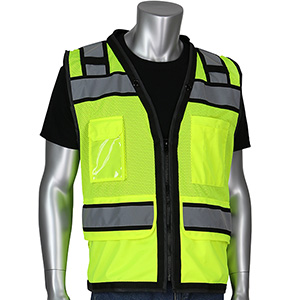
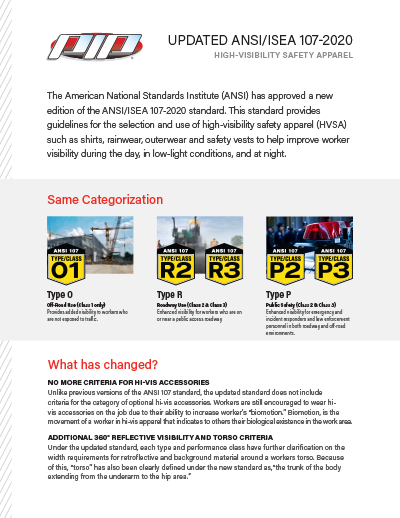
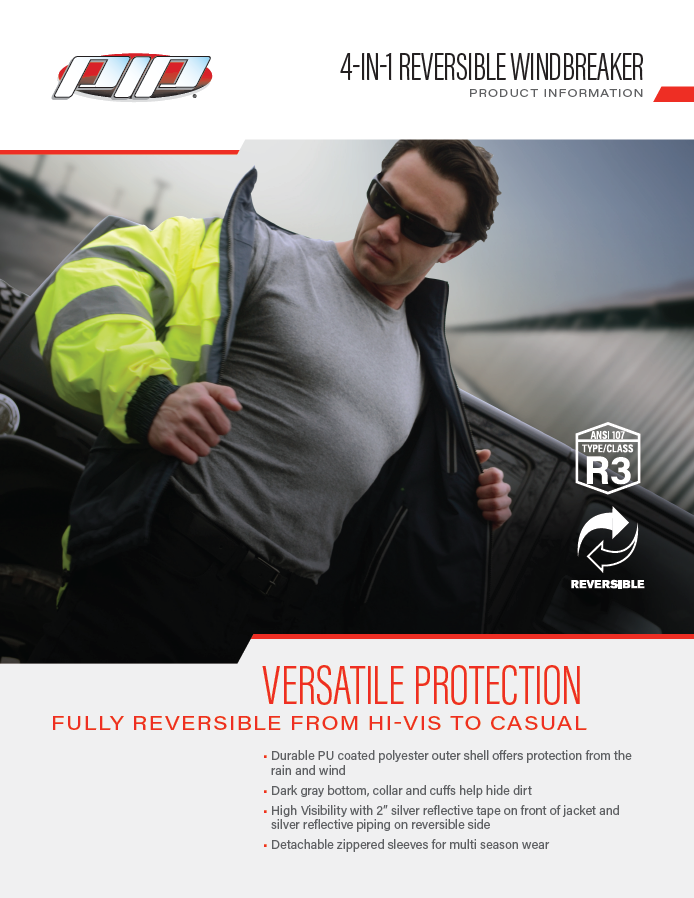
Class R3 apparel is intended for workers requiring the highest level of visibility, have high task loads and need to be visible throughout a full range of body motions.
Applies to retro-reflective equipped pants or shorts, designed to be worn in combination with either Class 2 or Class 3 tops. When worn in this manner, the ensemble is rated as Performance Class 3.
Class R3 apparel is intended for workers requiring the highest level of visibility, have high task loads and need to be visible throughout a full range of body motions.
Type/Class R2 apparel is necessary for workers exposed to traffic traveling over 25 mph and who work against complex backgrounds.
Class R3 apparel is intended for workers requiring the highest level of visibility, have high task loads and need to be visible throughout a full range of body motions.
Type/Class R2 apparel is necessary for workers exposed to traffic traveling over 25 mph and who work against complex backgrounds.
Class R3 apparel is intended for workers requiring the highest level of visibility, have high task loads and need to be visible throughout a full range of body motions.
Applies to retro-reflective equipped pants or shorts, designed to be worn in combination with either Class 2 or Class 3 tops. When worn in this manner, the ensemble is rated as Performance Class 3.
Privacy Policy | Cookie Preference | Contact Us | Full Site
© 2012-2026 Protective Industrial Products, Inc. All rights reserved.
CALL US TODAY: +(86) 21 6317 0303