-
North America
-
 United States - English
-
 Canada - English
-
Canada - Français
-
 Mexico - English
-
México - Español
-
 Latin America - English
-
América Latina - Español
search
No Result Found or Input is not valid.
you might be interested in
popular products
-
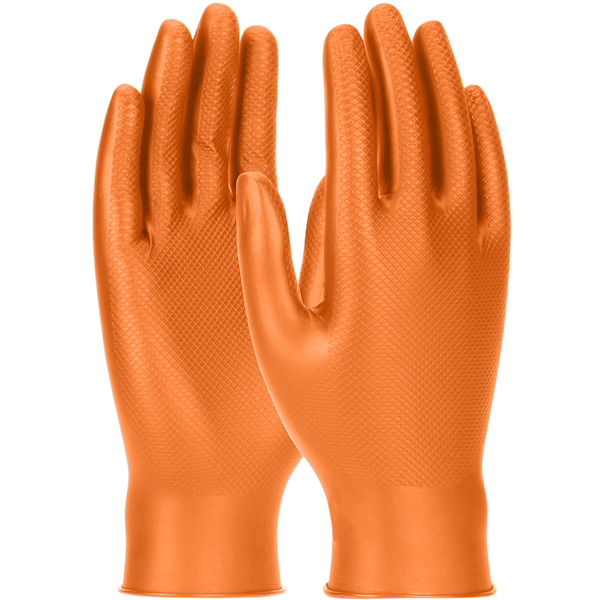 Extended Use Disposable GlovesGrippaz™ Skins67-256
-
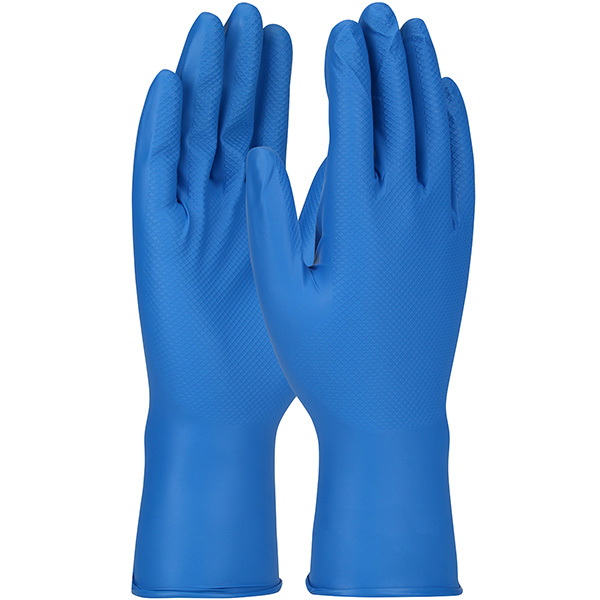 Extended Use Disposable GlovesGrippaz™ Food Plus67-308
-
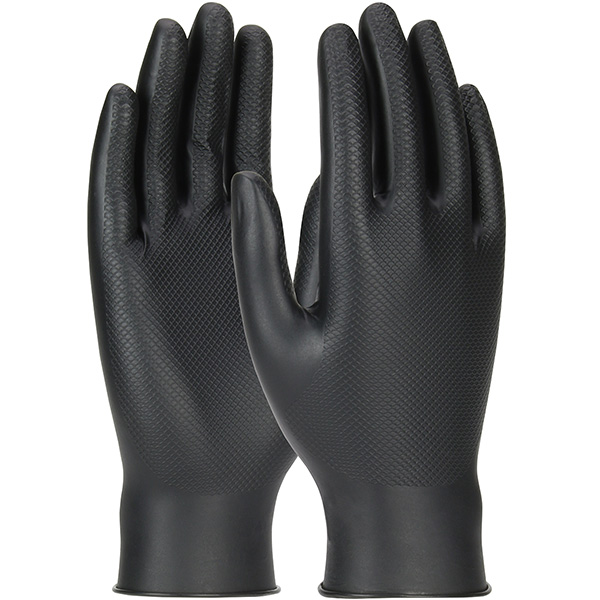 Extended Use Disposable GlovesGrippaz™ Skins67-246
-
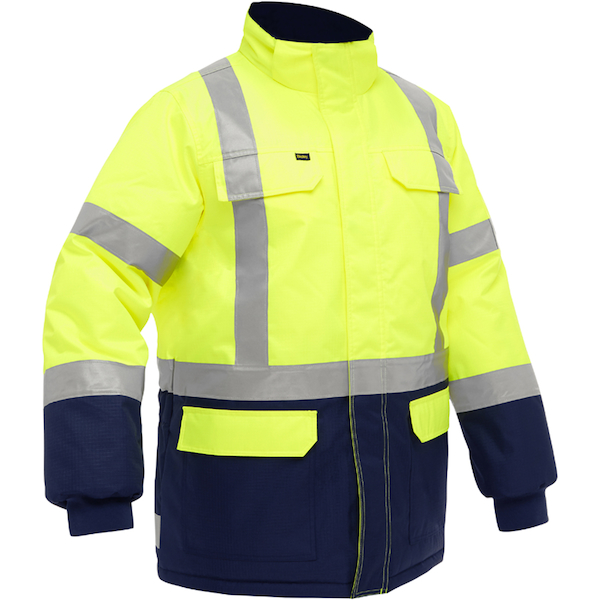 Cold Weather WearBisley® Extreme Cold343M6450X
-
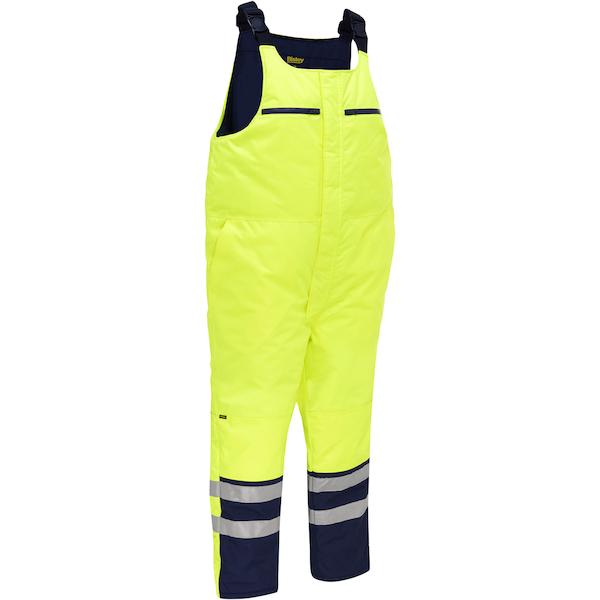 Cold Weather WearBisley® Extreme Cold318M6452T
-
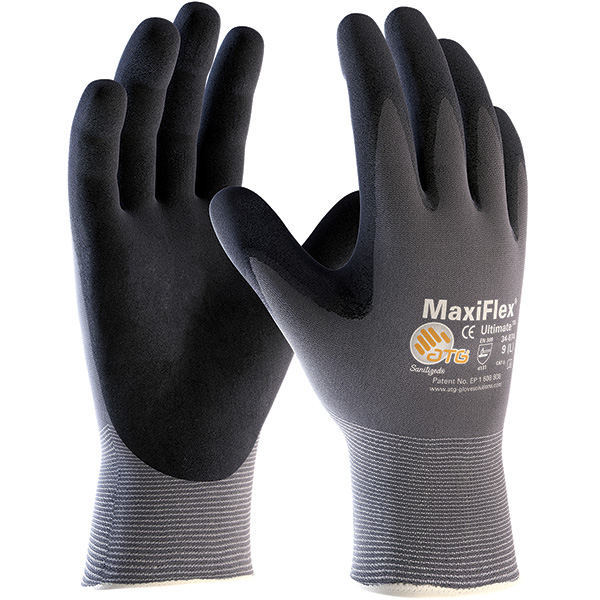 General Purpose Gloves - CoatedATG® MaxiFlex® Ultimate™34-874
-
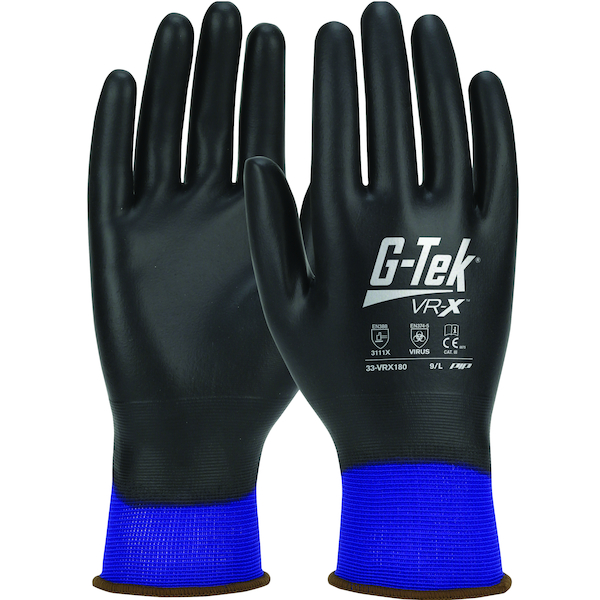 General Purpose Gloves - CoatedG-Tek® VR-X™33-VRX180
-
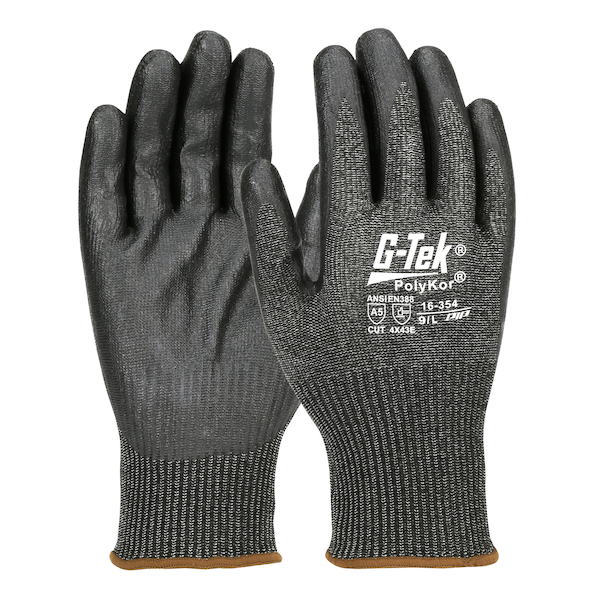 Cut Resistant GlovesG-Tek® PolyKor®16-354
-
 Evaporative CoolingPIP® EZ-Cool® Max396-EZ900
-
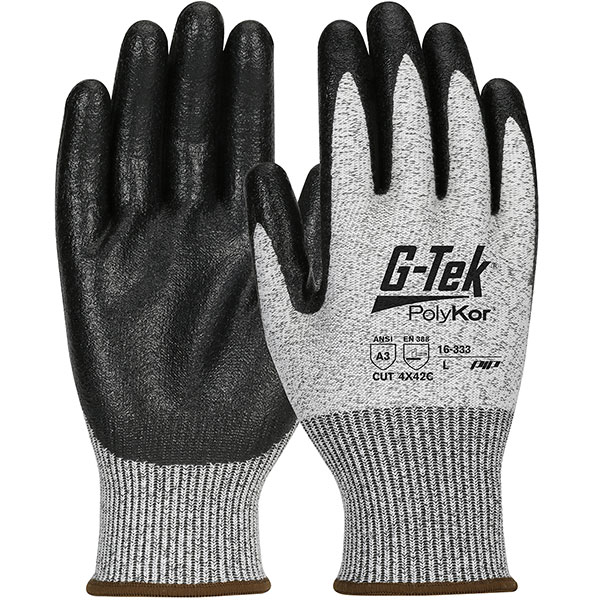 Cut Resistant GlovesG-Tek® PolyKor®16-333
-
 Disposable GlovesAmbi-dex® Axle63-532PF
-
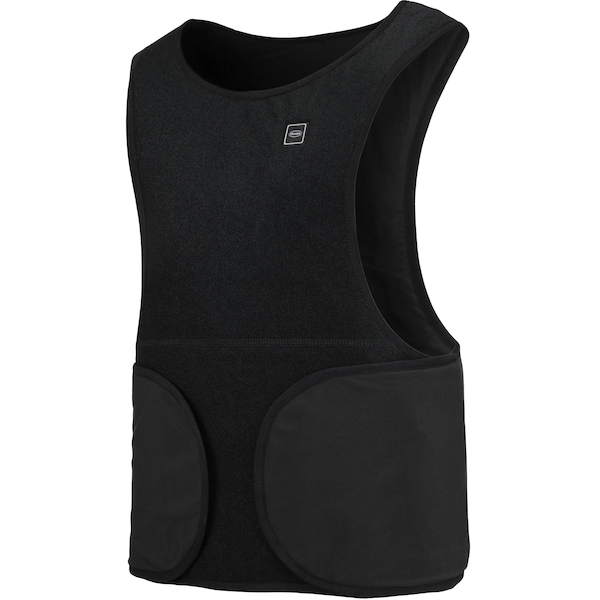 Heated ApparelBoss® Therm™300-HV100