United States - English
Canada - English
Canada - Français
Mexico - English
México - Español
Latin America - English
América Latina - Español
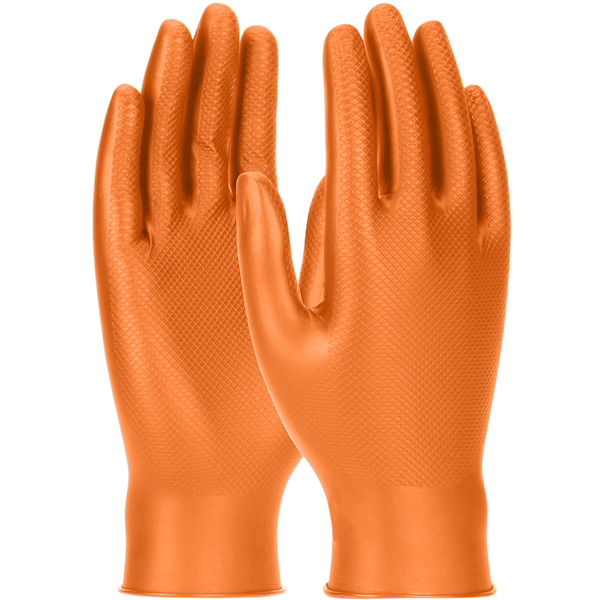
Extended Use Disposable GlovesGrippaz™ Skins67-256
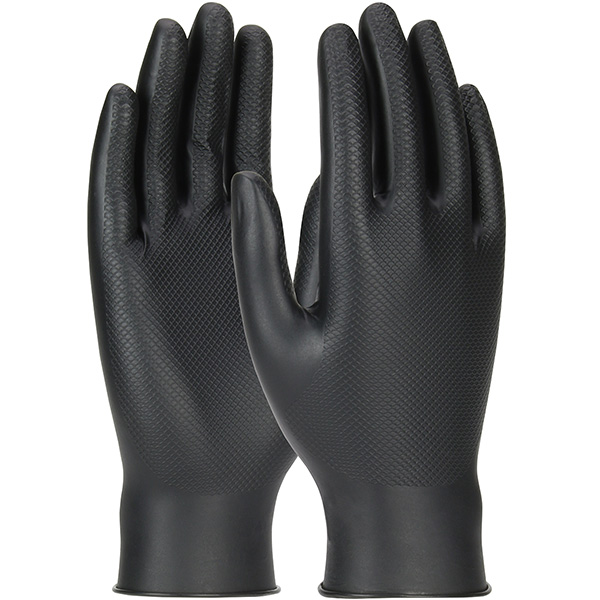
Extended Use Disposable GlovesGrippaz™ Skins67-246
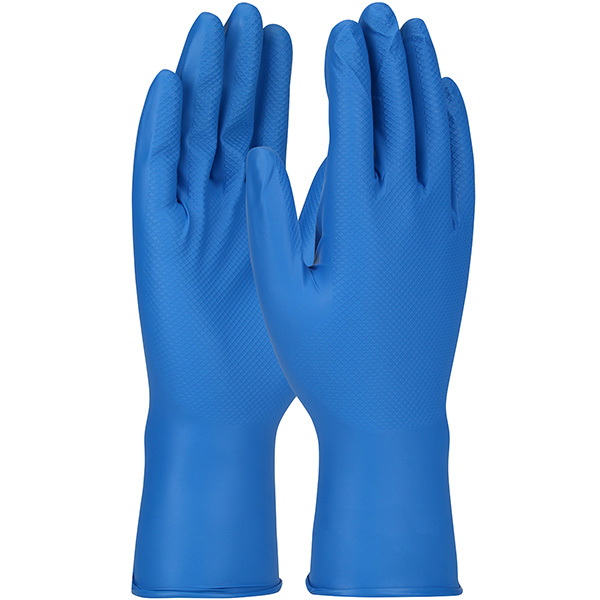
Extended Use Disposable GlovesGrippaz™ Food Plus67-308
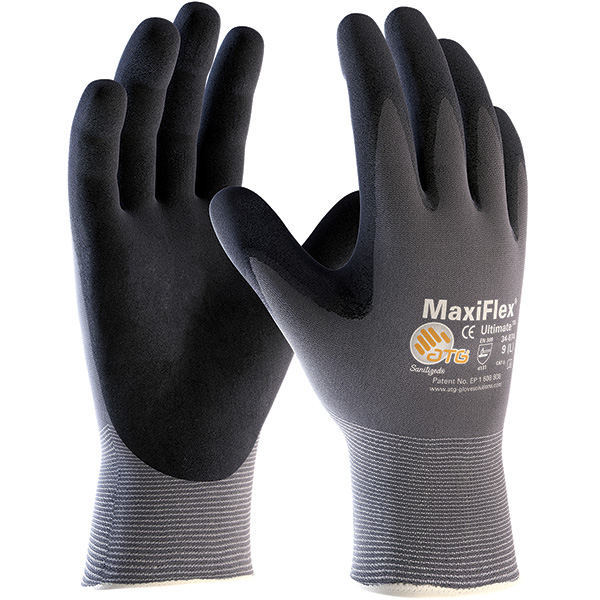
General Purpose Gloves - CoatedATG® MaxiFlex® Ultimate™34-874
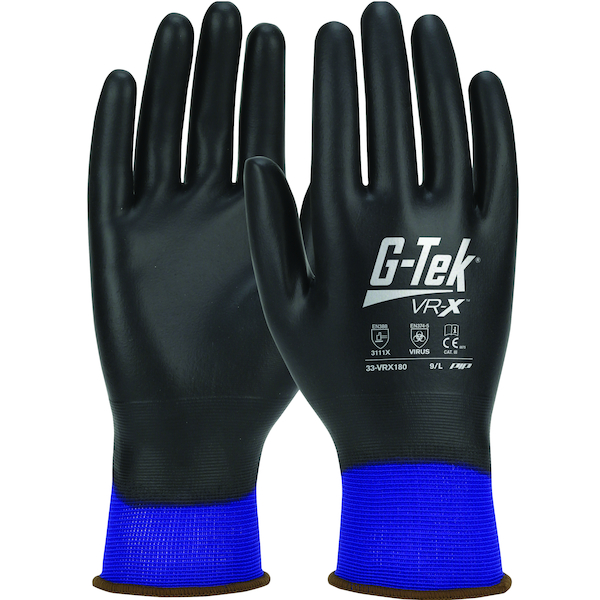
General Purpose Gloves - CoatedG-Tek® VR-X™33-VRX180
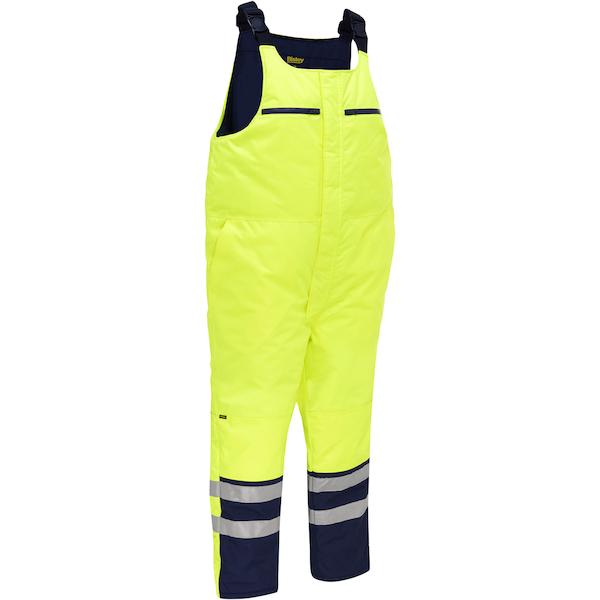
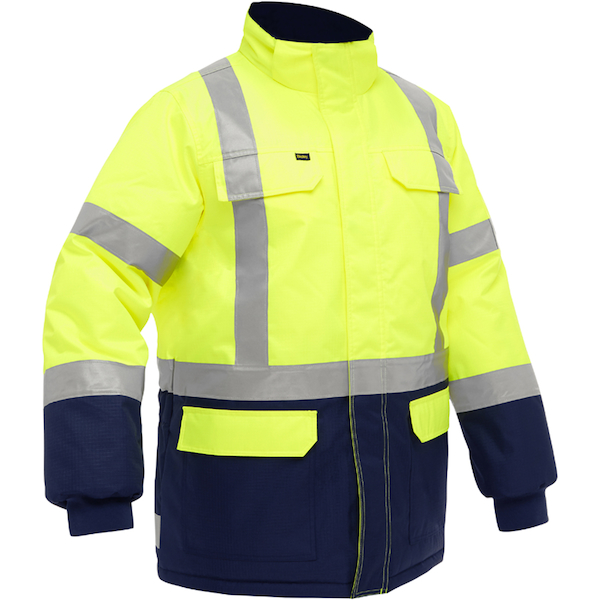
Cold Weather WearBisley® Extreme Cold318M6452T
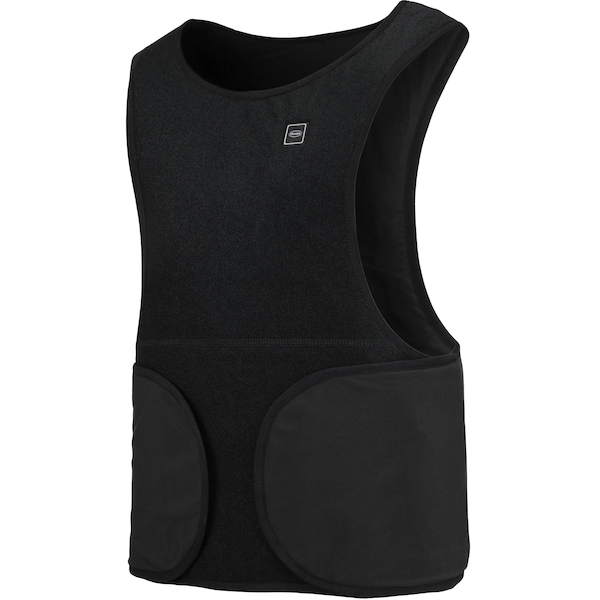
Heated ApparelBoss® Therm™300-HV100
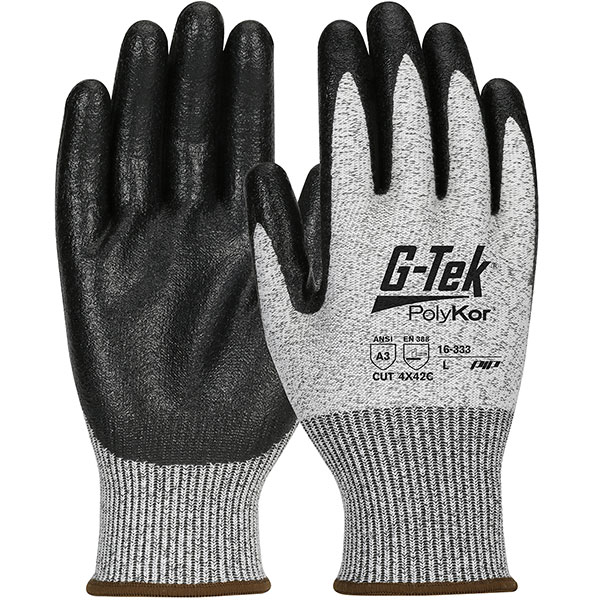
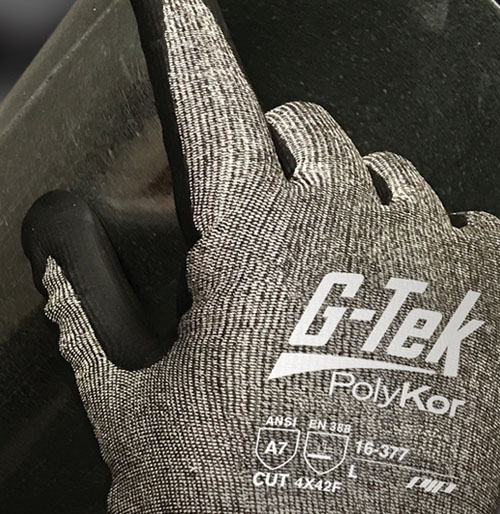
Cut Resistant GlovesG-Tek® PolyKor®16-333
Cold Weather WearBisley® Extreme Cold343M6450X
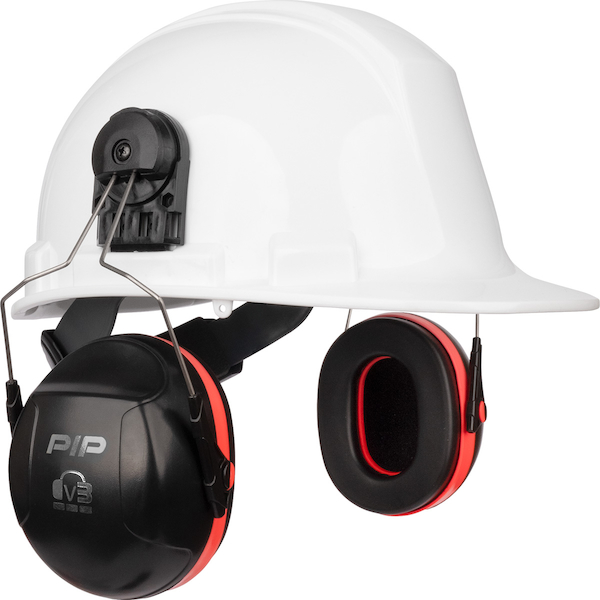
Ear MuffsPIP® v3™263-V3CM
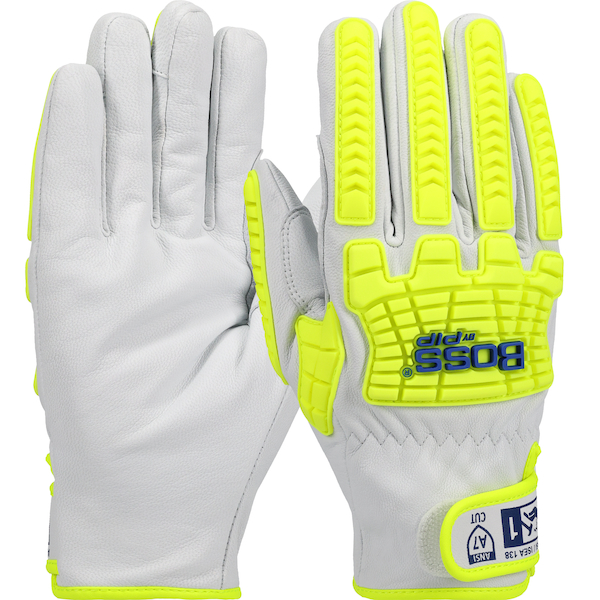
Hi Performance GloveBoss® 9916
United States - English
Canada - English
Canada - Français
Mexico - English
México - Español
Latin America - English
América Latina - Español

It usually starts the same way.
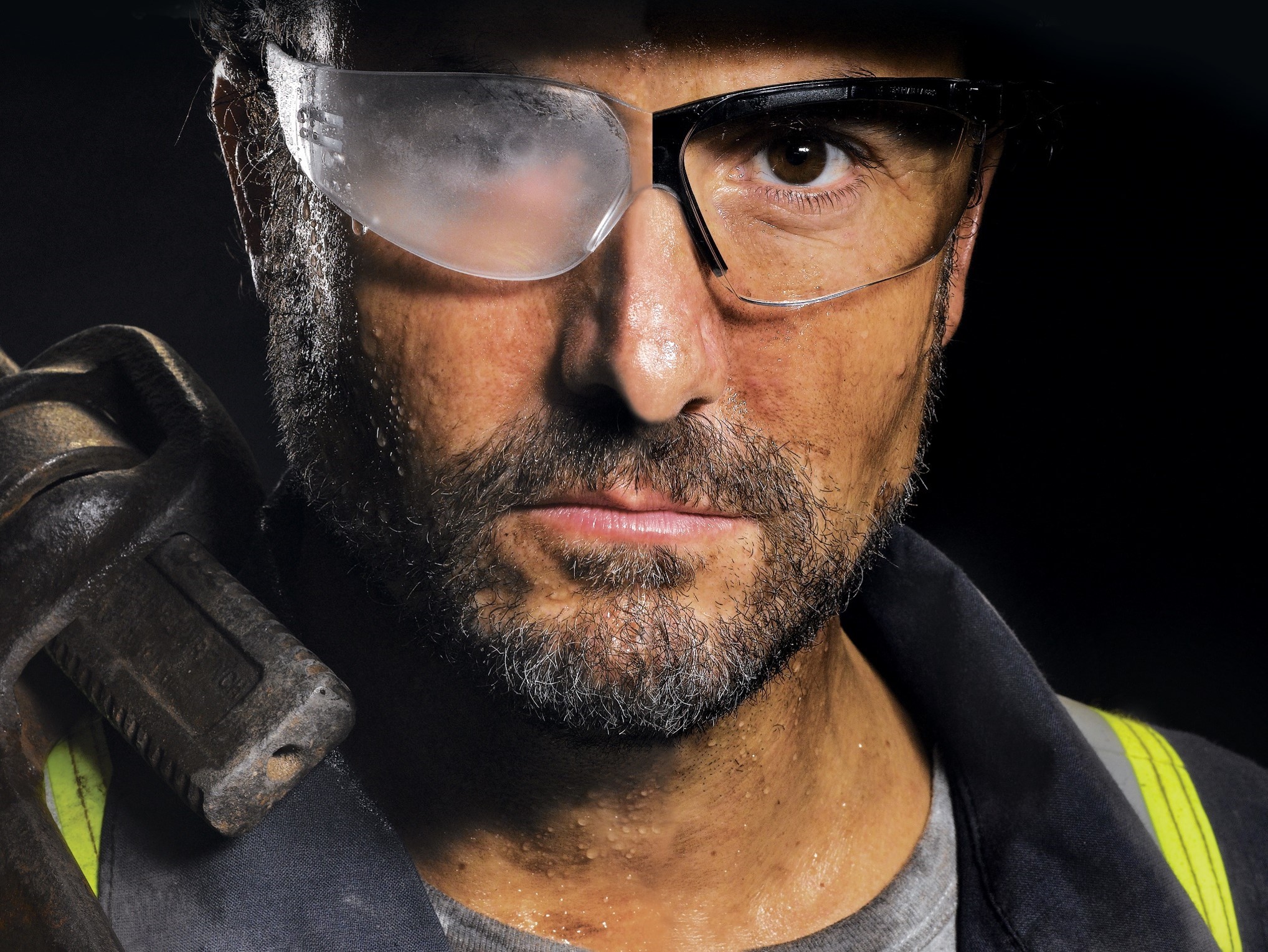
A worker steps from an air-conditioned vehicle into a hot, humid jobsite—or the other way around. Within seconds, their safety glasses cloud over. They pause, wipe the lenses, maybe even lift the glasses for a clearer look.
For a moment, visibility wins. Protection doesn’t.
And that’s where the real risk begins.
Why Fogging Gets Worse in the Summer
Fogging isn’t just an annoyance; it’s a predictable byproduct of summer working conditions.
Heat, humidity, and perspiration all contribute. But the bigger issue? Constant transitions.
Workers move between:
Each transition creates rapid temperature changes on the lens surface. Moisture condenses, and suddenly, clear vision disappears.
When visibility is reduced, workers often remove their eyewear just to see what they’re doing, even when hazards remain. This greatly increases the risk of errors and injuries.
The Hidden Risk: When Fogging Drives Behavior
Fogged lenses don’t just slow people down; they change behavior.
Workers may:
Each of these workarounds increases exposure to hazards like flying debris, dust, and chemical splashes.
It’s not a compliance issue; it’s a usability issue.
When workers can’t see clearly, consistent PPE use becomes much harder.
Why Standard Anti-Fog Isn’t Always Enough
Many safety programs assume “anti-fog” is a box that’s already checked.
But not all coatings are built for real-world conditions, especially heat-heavy environments.
Less effective coatings can:
In summer conditions, that’s when you need higher performance the most, but often get it the least.
A Better Approach: Build Fog Resistance Into the System
To address safety eyewear fogging effectively, anti-fog performance must be consistent, durable, and designed for real work conditions, not just controlled testing environments.
Uvex® HydroShield® Anti-Fog is engineered for durable, long-lasting clarity using a dual-action approach:
Similarly, Bouton® Fogless® 3Sixty™ is engineered to address the same real-world challenges, especially in environments where transitions, humidity, and perspiration are constant.
The Bouton Fogless 3Sixty™:
The bottom line? Opting for high-performance Anti-Fog lens coatings ensures consistent protection, even as conditions shift throughout the day.
What This Means for Safety Managers
Fogging is one of the most overlooked barriers to eye protection compliance. It’s also one of the easiest to fix when addressed proactively.
Instead of reacting to complaints, safety leaders can get ahead of the issue by:
When eyewear meets the job's actual demands, people are more likely to wear it consistently, which in turn keeps them protected.
Clear Vision = Safer Work
At the end of the day, clear vision isn’t a luxury; it’s a requirement for safe performance.
When workers can see clearly, they can stay focused on the task and make fewer mistakes.
Solving fogging isn’t just about comfort. It’s about eliminating a barrier that puts workers at risk.
Because in high-heat, high-humidity environments, the goal isn’t just to protect eyes. It’s to make sure nothing gets in the way of seeing the job through safely.
Connect with a Sales Expert to learn more
The Psychology Behind Effective Food Safety Culture
What’s the first thing you think of when you see a firefighter helmet? If your answer was hero, rescue, save, protect or first responder, you’d be in line with the majority of Americans. The…
READ MOREUnderstanding The Differences Between Antimicrobial, Antiviral and Antibacterial Hand Protection
ANTIMICROBIAL - ANTIVIRAL - ANTIBACTERIAL: What Does This All Mean for Hand Protection? by Anthony Di Giovanni, Vice President of Global Marketing Safety managers are demanding PPE tha…
READ MOREReusable vs. Disposable – Using The Right Garment For The Right Job
Disposable garments or reusable garments – which choice is right for you? There has always been back-and-forth about whether reusable or disposable garments are best for the workplace. Safety ma…
READ MOREPrivacy Policy | Cookie Preference | Contact Us | Full Site
© 2012-2026 Protective Industrial Products, Inc. All rights reserved.
CALL US TODAY: +(86) 21 6317 0303