Heat Stress Is a Warning. Heat Stroke Is an Emergency.

BLOG ARTICLES

It starts with a worker slowing down, just a little. Maybe they’re sweating more than usual, a little lightheaded, not quite themselves. Minutes later, that situation can turn into a life-threatening emergency. The difference between a normal workday and a life-threatening emergency can come down to one thing: how quickly someone recognizes the signs of heat illness and takes action.

Since June is National Safety Month, it’s an ideal time to refocus on heat awareness. That means more than reminders; it means helping crews understand what to look for, when to act, how to protect each other before a situation escalates, and equipping teams with the right cooling PPE.

Why This Matters on Every Job Site

Supervisors, safety leaders, and workers all need to understand one critical distinction:

Heat stress occurs when the body struggles to cool itself. It’s a warning.
Heat stroke occurs when the body fails to cool itself. It’s a life-threatening emergency.

Knowing the difference can save a life.

Heat stress is the body’s early warning system. It develops when heat, humidity, physical exertion, and even heat-retaining PPE begin to overwhelm normal temperature regulation. Workers may experience heavy sweating, fatigue, headaches, muscle cramps, or dizziness, often with hot, moist skin. At this stage, the body is still trying to recover.

If those warning signs are ignored, conditions can escalate.

Heat stroke is a medical emergency. The body can no longer regulate heat, and core temperature can rise above 104°F. A worker may show confusion, slurred speech, a rapid pulse, or even lose consciousness. When this happens, every minute matters.

What Response Should Look Like

When heat stress appears, early action is critical. Moving a worker to shade, encouraging hydration, allowing time to rest, and actively cooling the body can prevent escalation.

But once symptoms shift toward heat stroke - confusion, loss of consciousness, or extreme body temperature - this is no longer a wait-and-see situation. Call 911 immediately, begin cooling the worker, and stay with them until help arrives.

Prevention Starts Before Symptoms Do

The most effective heat safety programs focus on prevention, not reaction.

Hydration, rest breaks, and work pacing all play a role, but so does what workers wear and use throughout the day. In high heat, PPE can either trap heat or help manage it.

Lightweight, breathable workwear, such as the Bisley® X-Airflow™ line, features laser-perforated ventilation zones that allow air to circulate, helping the body release heat more efficiently.

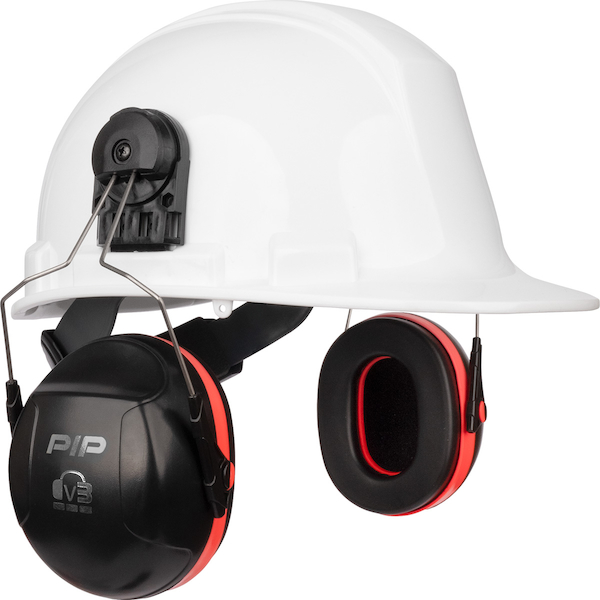
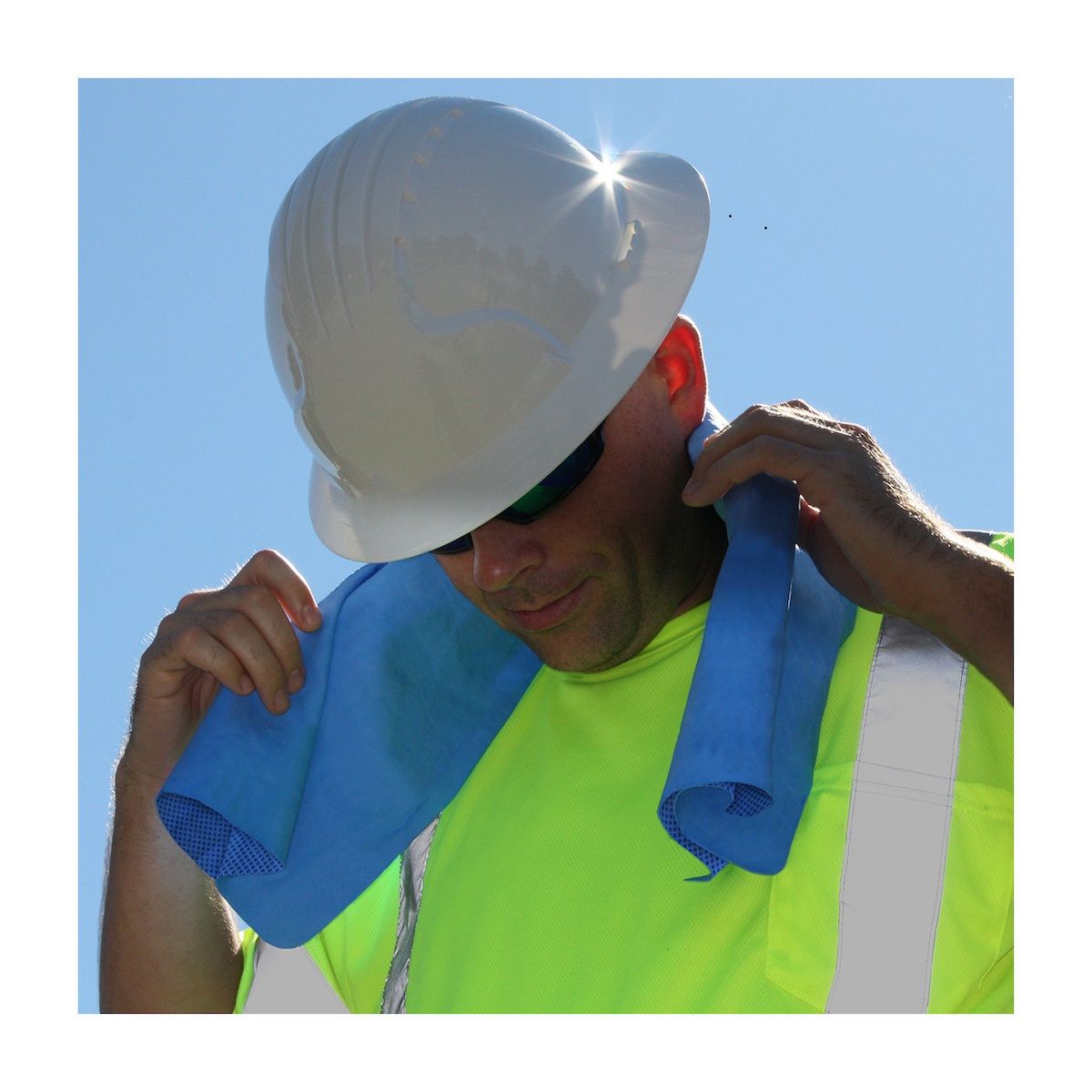
Similarly, head protection choices matter: a full-brim, vented Type II safety helmet, like the PIP® Traverse™ industrial climbing helmet with a white shell, not only promotes airflow but also reflects sunlight and reduces direct sun exposure to the neck, ears, and face.

Adjustments like these can significantly reduce overall heat load.

Take Note: Direct sun exposure also adds risk. It’s important to remember that working in full sunlight can increase the heat index by up to 15°F, making shade, planning, and protective gear even more critical.

Staying Cooler Throughout the Shift

Managing heat isn’t just about big interventions; it’s about consistent, practical support throughout the workday.

Evaporative cooling towels, whether quick-activating or high-absorption styles, can provide immediate and sustained relief when soaked and worn during work. Sunshades that attach to hard hats help protect against direct exposure, while cooling pads worn inside helmets provide longer-lasting comfort during extended periods in the heat.

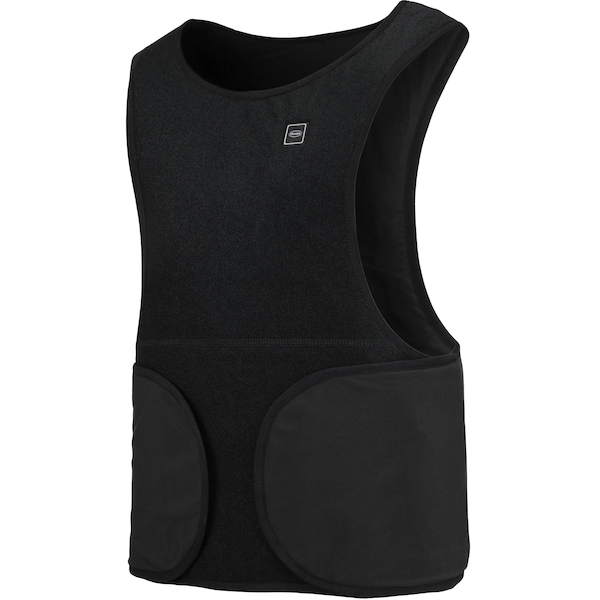
For more intensive conditions, phase change cooling vests can help regulate body temperature for hours at a time, even under additional PPE. Other cooling garments use moisture-activated fabrics that slowly release water to create a continuous cooling effect.

Even hydration solutions can play a role beyond water alone. Electrolyte supplements designed for hot work environments can help crews replenish what’s lost through sweat and maintain energy and focus over long shifts.

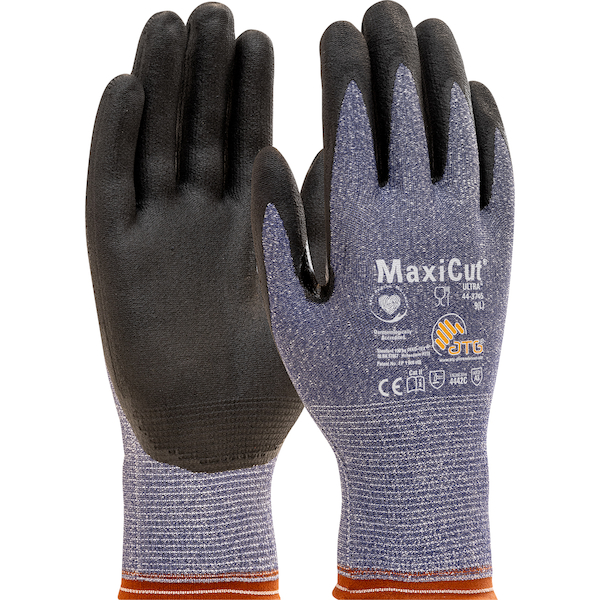
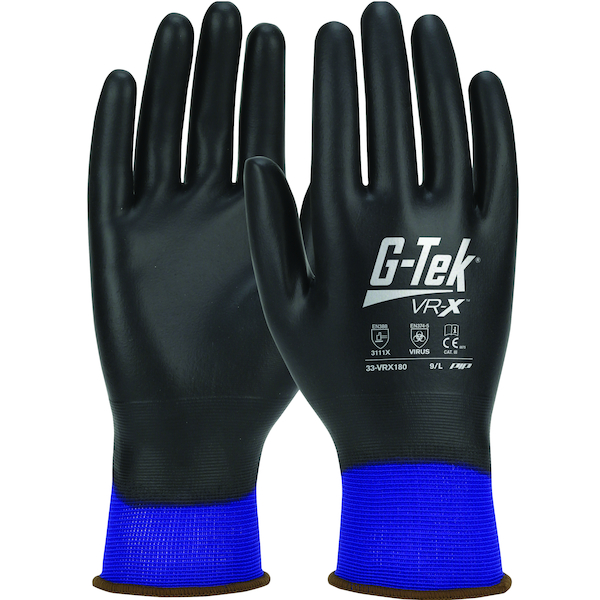
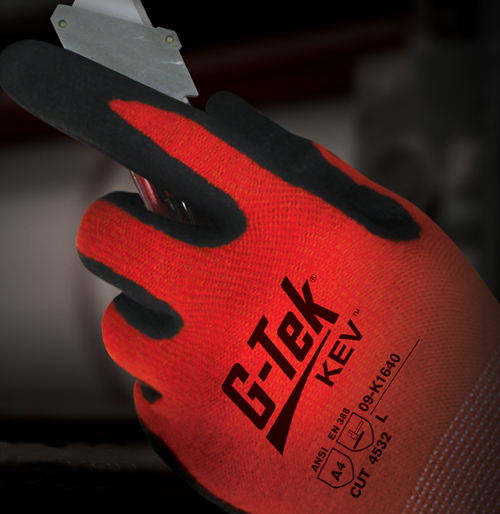
And because heat doesn’t just affect the body—it impacts performance—gear matters down to the hands. Gloves with cooling technology infused into the liner can help regulate temperature where workers feel heat buildup most, improving both comfort and compliance.

Using Tools to Stay Ahead of the Risk

Technology can also support smarter decisions on the job. The OSHA/NIOSH Heat Safety Tool gives crews an easy way to check heat index levels, understand risk, and adjust work practices throughout the day.

OSHA/NIOSH Heat Safety Tool

This App offers real-time insights and reminders for hydration, breaks, and workload adjustments, helping teams stay proactive before conditions become dangerous.

The Takeaway: Know the Signs. Act Early.

Heat illness doesn’t happen all at once. It builds. And in many cases, there’s a window to step in before it becomes dangerous.

That’s why this National Safety Month is an opportunity to reinforce a simple but critical message: recognize the warning signs, respond quickly, and never ignore early symptoms.

Because in extreme heat, minutes matter, and preparation saves lives.

MORE ARTICLES

The Psychology Behind Effective Food Safety Culture

What’s the first thing you think of when you see a firefighter helmet? If your answer was hero, rescue, save, protect or first responder, you’d be in line with the majority of Americans. The…

READ MORE

Understanding The Differences Between Antimicrobial, Antiviral and Antibacterial Hand Protection

ANTIMICROBIAL - ANTIVIRAL - ANTIBACTERIAL: What Does This All Mean for Hand Protection? by Anthony Di Giovanni, Vice President of Global Marketing Safety managers are demanding PPE tha…

READ MORE

Reusable vs. Disposable – Using The Right Garment For The Right Job

Disposable garments or reusable garments – which choice is right for you? There has always been back-and-forth about whether reusable or disposable garments are best for the workplace. Safety ma…

READ MORE
Compare ()
Clear All Compare
Okay, Got it.