United States - English
Canada - English
Canada - Français
Mexico - English
México - Español
Latin America - English
América Latina - Español
Extended Use Disposable GlovesGrippaz™ Skins67-246
Extended Use Disposable GlovesGrippaz™ Skins67-256
Hi Performance GloveBoss® 9916
Extended Use Disposable GlovesGrippaz™ Food Plus67-308
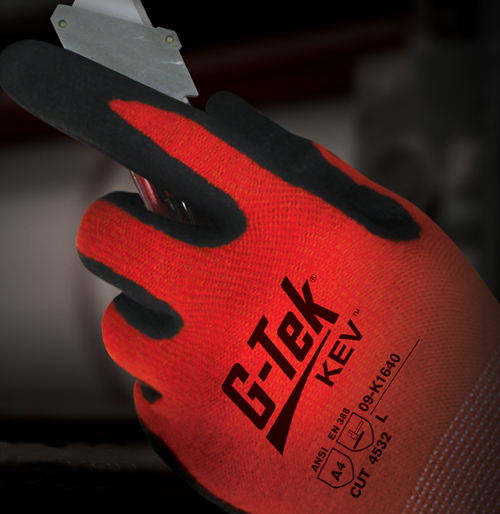
Cut Resistant GlovesATG® MaxiCut® Ultra™44-3745
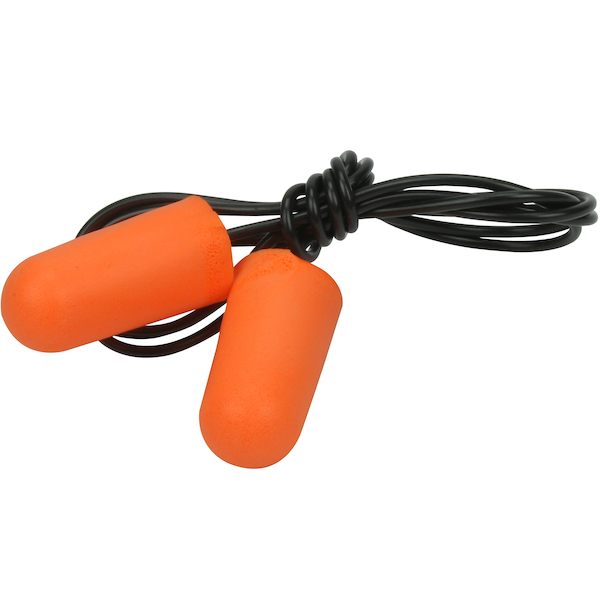
Ear PlugsPIP® Mega Bullet™267-HPF210C
Evaporative CoolingPIP® EZ-Cool®396-602
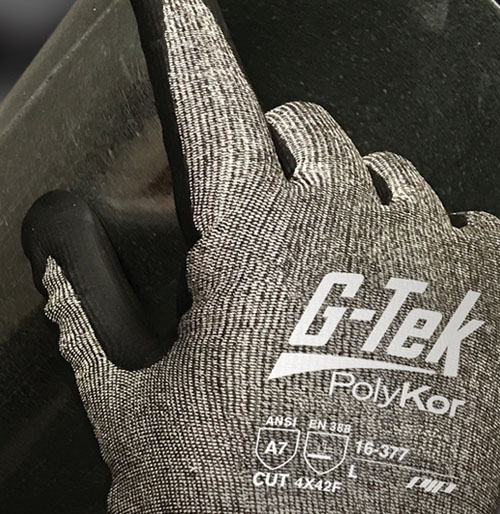
Cut Resistant GlovesATG® MaxiFlex® Cut™34-8743
Evaporative CoolingPIP® EZ-Cool® Max391-EZ275
Heated ApparelBoss® Therm™300-HV100
Evaporative CoolingPIP® EZ-Cool® Max396-EZ900
United States - English
Canada - English
Canada - Français
Mexico - English
México - Español
Latin America - English
América Latina - Español

Most electrical incidents on construction sites don’t begin with dramatic failures or obvious mistakes. They start with routine tasks, familiar equipment, and the assumption that conditions haven’t changed. May’s National Electrical Safety Month is a timely reminder that even everyday electrical work demands renewed attention and discipline.
When temporary power has been in place for weeks or crews walk the same muddy path to a panel every day, it’s easy to slip into autopilot. But construction sites are constantly evolving. Weather shifts, systems get modified, trades overlap, and equipment moves. Small electrical hazards that seem minor or familiar can escalate quickly when situational awareness drops.
Staying alert to changing conditions, verifying systems in real time, and using well-maintained Personal Protective Equipment (PPE) can help prevent everyday electrical tasks from becoming serious incidents.
Why Familiarity Becomes a Hazard
Construction sites evolve constantly: weather shifts, trades overlap, equipment moves, and temporary systems get modified. But once a task feels familiar, situational awareness naturally drops. Workers start assuming yesterday’s conditions still apply:
Take Note: Electrical hazards change with the environment, the equipment, and the people working around you.
Electrical Hazards That Escalate Quickly
Induced Voltage: The Invisible Threat
Induced voltage is one of the most overlooked hazards because it gives no visual warning. It occurs when energized conductors run parallel to de‑energized ones, transferring voltage through induction.
A worker may open what appears to be a de-energized temporary feeder only to encounter residual or induced voltage from adjacent energized conductors running nearby.
Workers may assume “de‑energized” means “safe,” they may skip testing when rushed, or work on temporary circuits that have been reconfigured without documentation. Long cable runs, temporary feeders near permanent systems, and recently reworked circuits all require a meter check before anyone touches them.
Temporary Power & Temporary‑to‑Permanent Systems
Temporary power is designed to be flexible, but that flexibility creates blind spots. Labels fade, multiple trades tap into the same system, and temporary setups slowly become “permanent” without a thorough safety review. Plus, weather exposure accelerates wear. If these systems aren’t reassessed regularly, workers end up relying on assumptions instead of current conditions.
Damaged Cords and Tools
Damaged cords are so common they blend into the scenery. A single nick, crushed section, or exposed conductor can lead to shock, arc flash, equipment failure, or fire. They’re often ignored because the tool “still works” or the damage looks cosmetic. Any cord in a high traffic area, or one that’s been run over, should be treated as a potential hazard until inspected.
Wet or Rapidly Changing Site Conditions
Water amplifies electrical risk. Rain, snow, humidity, and condensation can turn a safe setup into a dangerous one within hours. Temporary panels in low areas, cords lying in puddles, energized metal structures, and weather-related insulation breakdown all require constant monitoring. What’s safe at 7 AM may not be safe at noon.
How Routine Tasks Increase Risk
When tasks become second nature, workers tend to skip verification steps, assume equipment hasn’t changed, overlook subtle environmental shifts, or rely on memory instead of real-time assessment. This isn’t carelessness; it’s human nature. The key is building habits that counter complacency.
Practical Ways to Stay Ahead of These Hazards
Treat Every Task Like It’s the First Time
Pause before starting and reassess the environment. Ask yourself:
Test Before You Touch
Always test:
Take Note: A few seconds with a meter can prevent serious injury.
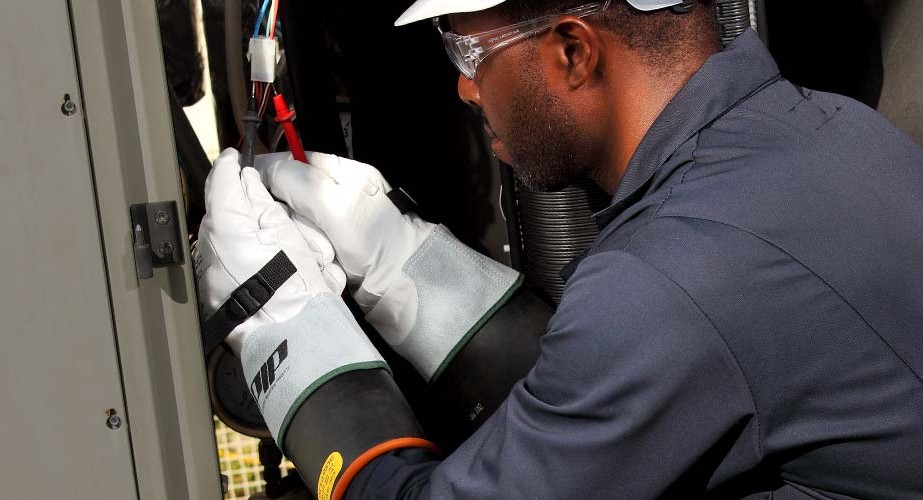
Use Well-Maintained PPE
PPE is the last line of defense, so it must be reliable.
Take Note: Regular inspection and proper storage of PPE is vital.
Build Real‑Time Hazard Identification Into Every Task
Make it standard practice to scan for new hazards each time you enter the site. Report damaged cords or equipment immediately and challenge assumptions, your own and others’.
Encourage a Culture Where Speaking Up Is Normal
Electrical hazards escalate fast. A simple “Take a look at this” can prevent a serious incident.
Final Thoughts: Awareness Is a Skill
Electrical hazards rarely look dramatic at first. They’re subtle, familiar, and easy to underestimate. But with the right mindset, supported by consistent hazard identification and dependable PPE, workers can stay ahead of the risks that escalate the fastest.
Construction sites are constantly changing, and the most dangerous electrical hazards are often the ones workers stop noticing. Staying safe means treating every task, every setup, and every day on site as conditions worth reassessing.
The Psychology Behind Effective Food Safety Culture
What’s the first thing you think of when you see a firefighter helmet? If your answer was hero, rescue, save, protect or first responder, you’d be in line with the majority of Americans. The…
READ MOREUnderstanding The Differences Between Antimicrobial, Antiviral and Antibacterial Hand Protection
ANTIMICROBIAL - ANTIVIRAL - ANTIBACTERIAL: What Does This All Mean for Hand Protection? by Anthony Di Giovanni, Vice President of Global Marketing Safety managers are demanding PPE tha…
READ MOREReusable vs. Disposable – Using The Right Garment For The Right Job
Disposable garments or reusable garments – which choice is right for you? There has always been back-and-forth about whether reusable or disposable garments are best for the workplace. Safety ma…
READ MOREPrivacy Policy | Cookie Preference | Contact Us | Full Site
© 2012-2026 Protective Industrial Products, Inc. All rights reserved.
CALL US TODAY: +(86) 21 6317 0303