When Heat Impacts PPE: What to Adjust

BLOG ARTICLES

Summer heat doesn’t just affect your people, it affects their Personal Protective Equipment (PPE), too. As temperatures climb, protective equipment can start to feel uncomfortable, fit differently, or simply not perform the way it should. When that happens, wear rates drop, shortcuts happen, and risk goes up.

Getting ahead of heat‑related challenges isn’t about reacting when PPE fails. It’s about recognizing how heat changes performance, comfort, and compliance, and making smart adjustments before hot days become hot problems.

Let’s walk through how heat impacts key PPE categories and what safety leaders can do now to keep protection effective all summer long.

Hand Protection: When Grip and Comfort Slip

What happens in the heat?
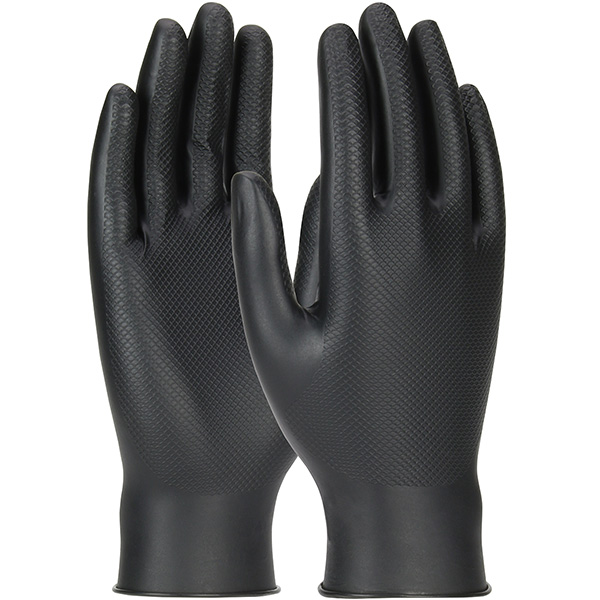
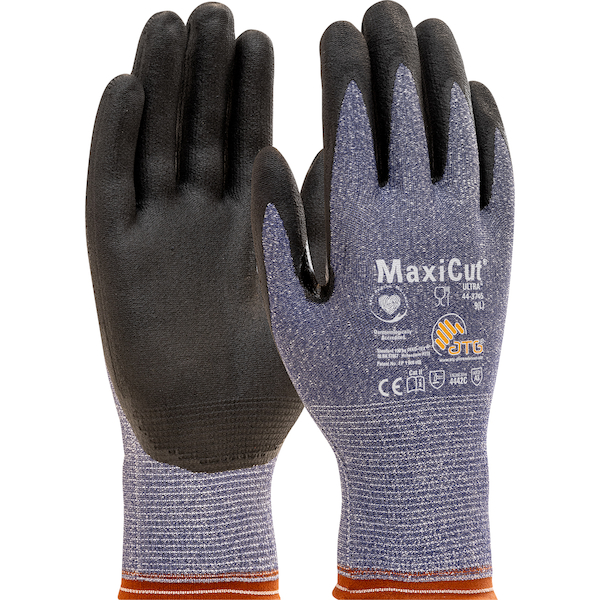
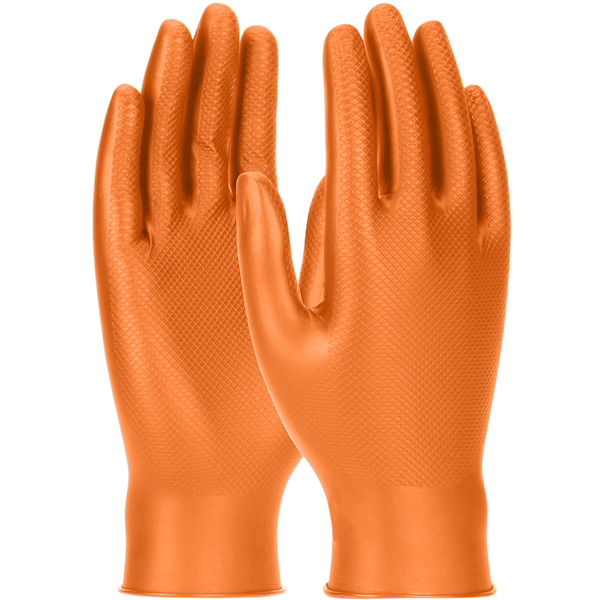
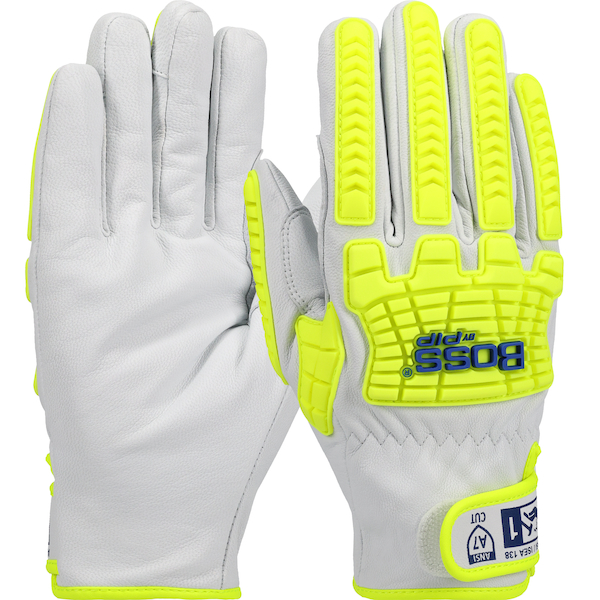
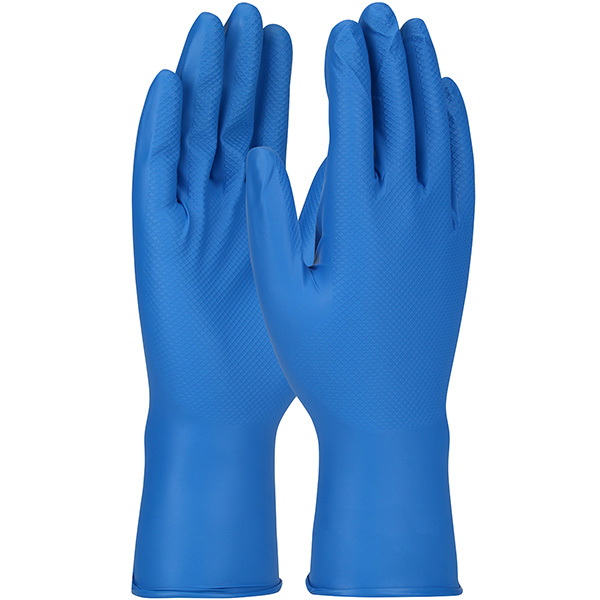
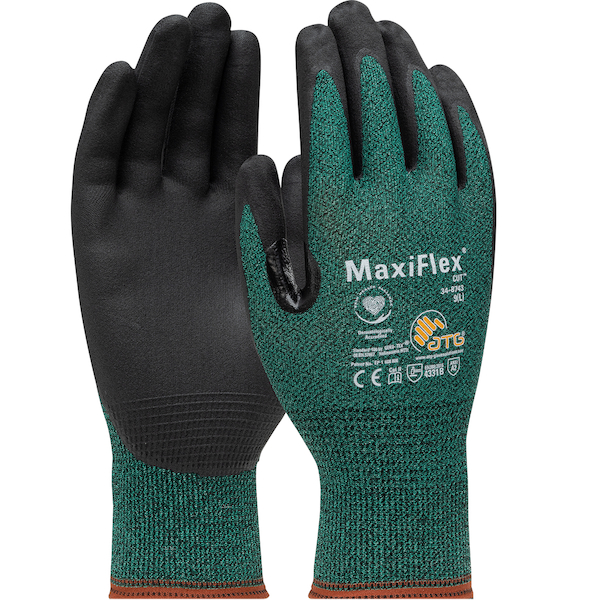
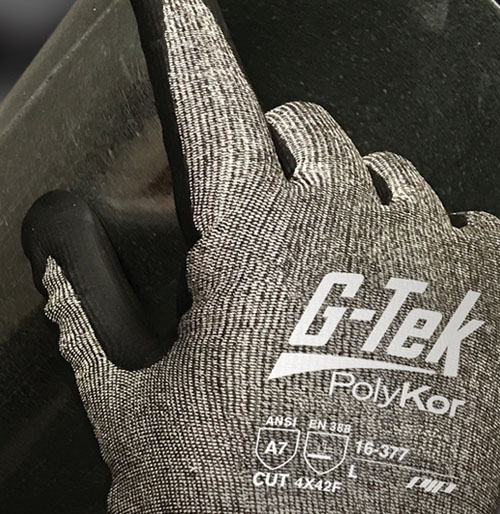
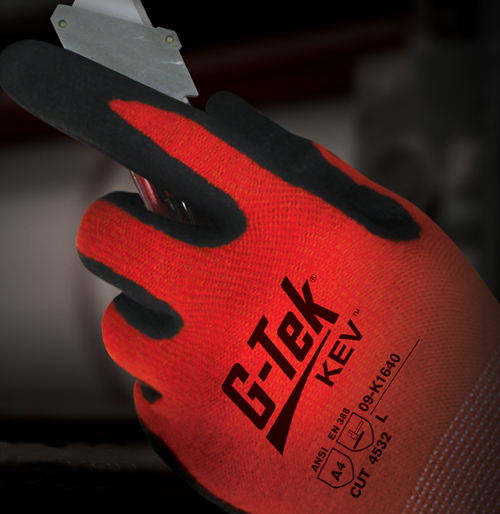
Hot weather speeds up sweat accumulation inside of gloves. Grip can suffer, hands fatigue faster, and the threat of skin dermatitis rises. When gloves are uncomfortable, workers are far more likely to take them off, significantly increasing the risk of injury.

What helps

  • Upgrade to hand protection with enhanced cooling technology, like ad-apt®, which is a cooling technology microencapsulated into the liners of select ATG® gloves
  • Consider switching to powdered disposable gloves, adding glove “dust” or powders or applying thin cotton lisle liners inside/underneath fully insulated rubber gloves to help manage sweat accumulation
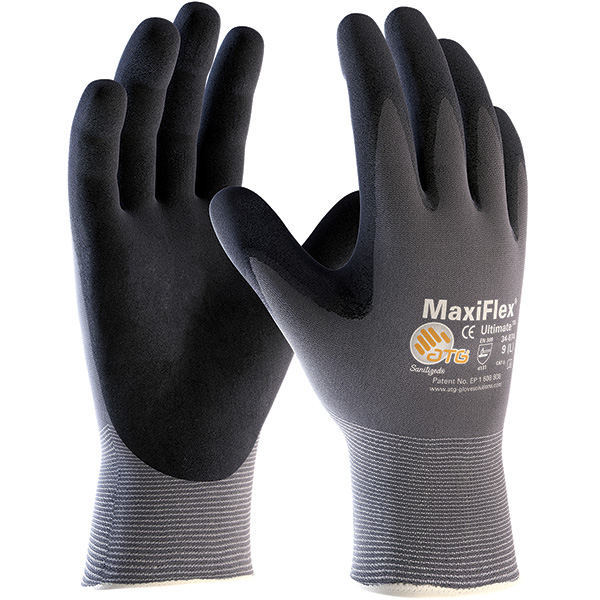
  • Switch from fully coated to ¾ coated seamless knit gloves to maintain extended barrier protection against oils while still maintaining breathability from the back of the glove
  • Choose more porous, sweat‑friendly coatings, like foam nitrile to enhance breathability and to let hot air escape the glove

TAKE NOTE: If workers are taking gloves off to cool down, the glove system needs a rethink, not the behavior.

Eye Protection: Fog, Slip, Repeat

What happens in the heat?
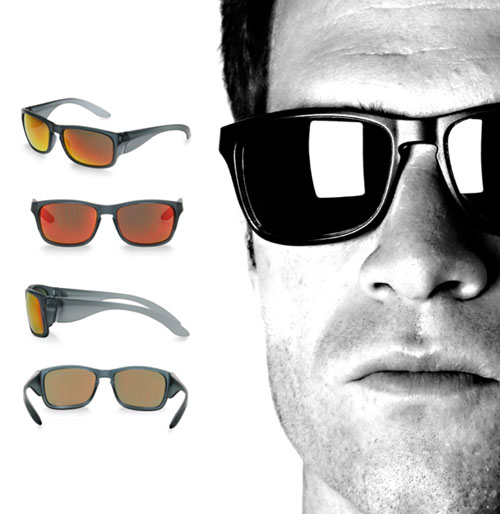
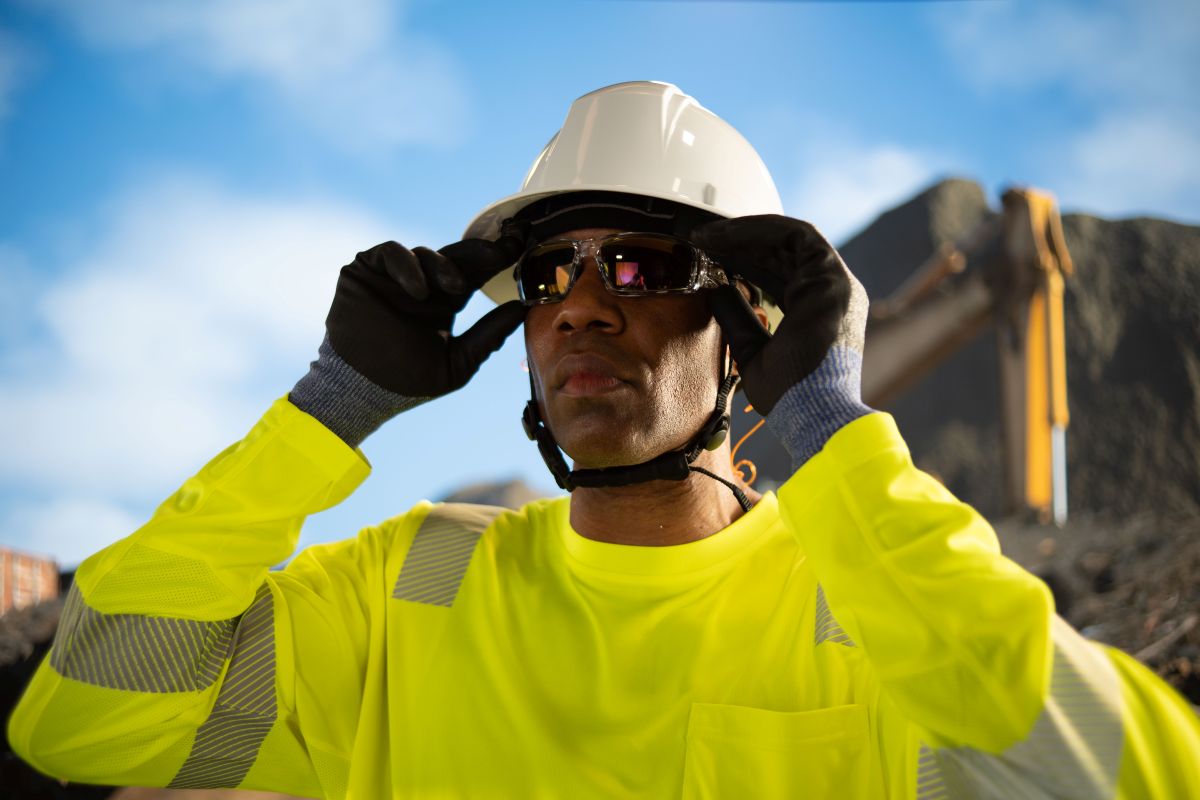
Sweat and humidity cause safety glasses to slide down noses, lenses to fog, and outdoor sun exposure adds UV risk on top of everything else. Reduced visibility and poor fit can lead workers to remove eyewear altogether or wear it improperly during critical tasks.

What helps

  • Use anti‑fog lenses designed for high heat and humidity, not just indoor environments. Explore Products
  • Look for frames with rubberized grips that actually get tackier as sweat increases. Explore Products
  • Make sure outdoor eyewear is ANSI Z87.1 rated and offers 100% UVA/UVB protection. Explore Products
  • Consider indirect‑vent goggles when heat and dust show up together. Explore Products

TAKE NOTE: Anti‑fog coatings wear out faster in the heat. If lenses are fogging constantly, it may be time to replace them.

Hearing Protection: When Sweat Breaks the Seal

What happens in the heat?

High temperatures create a perfect storm for hearing‑protection failure. Sweat softens and saturates foam plugs, loosens earmuff seals, and accelerates bacterial growth. As cushions get slick and ear canals stay damp, workers feel uncomfortable, irritated, and far more likely to skip or loosen their protection, cutting real‑world attenuation dramatically.

What Helps

  • Replace plugs more frequently: Sweat saturates foam quickly, reducing expansion and degrading the seal.
  • Monitor earmuff cushion integrity: Heat and moisture break down cushions faster, creating gaps that leak noise.
  • Evaluate comfort during extended hot‑weather shifts: Pressure, moisture, and skin irritation drive non‑compliance long before attenuation fails.
  • Reassess attenuation when sweat compromises fit: If workers report slipping muffs or soggy plugs, the effective NRR is already dropping.

Product‑Type Considerations

Take Note: Even the best earmuffs still trap heat. Use them only when earplugs cannot be worn, frequent donning/doffing is required or when short‑duration double protection is needed.

If necessary, we recommend earmuffs with larger openings to reduce contact pressure.

Head Protection: Heat Builds Up Fast

What happens in the heat?
Hard hats trap heat, sweatbands soak through quickly, and UV exposure breaks down shells faster than many people realize. On top of that, heat can cause slight head swelling, which changes fit.

What helps

  • Use vented safety helmets where allowed by the hazard assessment. In high-heat environments, evaluate whether existing head protection is contributing to heat retention and whether more breathable options are appropriate for the application.
  • Replace sweatbands with moisture‑wicking sweatbands and change them often.
  • Review head protection replacement schedules. UV damage doesn’t always look dramatic.
  • Re‑check fit during summer months to make sure the suspension still sits correctly.

TAKE NOTE: A hard hat or safety helmet that shifts because it no longer fits right won’t protect the way it should.

Fall Protection: Comfort Drives Compliance

What happens in the heat?
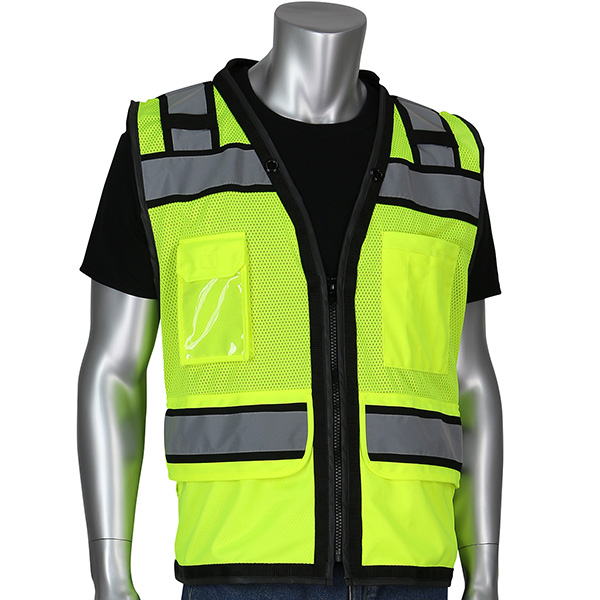
Harnesses hold heat, metal hardware gets extremely hot, and sweat causes chafing. Over time, UV exposure can weaken webbing and stitching, even if the gear “looks fine.” In extreme temperatures, discomfort can lead to improper wear, loosened adjustments, or resistance to continuous use during long shifts. Heat doesn’t just increase fall risk, it also reduces the margin for safe rescue. Rescue plans should account for faster response times in hot conditions.

What helps

TAKE NOTE: If a harness is technically safe but miserable to wear, it’s only a matter of time before compliance slips.

Final Thought

Heat doesn’t wait, and neither should PPE adjustments. When equipment fits better, breathes better, and holds up better in hot conditions, workers are more likely to wear it correctly and consistently.

By making proactive changes now, safety leaders can prevent PPE failures, reduce heat‑related pushback, and keep protection strong all summer long, even when the heat is working against you. Summer is the right time to reassess PPE programs, review wear compliance trends, and identify where heat may be compromising protection before incidents occur.

MORE ARTICLES

The Psychology Behind Effective Food Safety Culture

What’s the first thing you think of when you see a firefighter helmet? If your answer was hero, rescue, save, protect or first responder, you’d be in line with the majority of Americans. The…

READ MORE

Understanding The Differences Between Antimicrobial, Antiviral and Antibacterial Hand Protection

ANTIMICROBIAL - ANTIVIRAL - ANTIBACTERIAL: What Does This All Mean for Hand Protection? by Anthony Di Giovanni, Vice President of Global Marketing Safety managers are demanding PPE tha…

READ MORE

Reusable vs. Disposable – Using The Right Garment For The Right Job

Disposable garments or reusable garments – which choice is right for you? There has always been back-and-forth about whether reusable or disposable garments are best for the workplace. Safety ma…

READ MORE
Compare ()
Clear All Compare
Okay, Got it.