United States - English
Canada - English
Canada - Français
Mexico - English
México - Español
Latin America - English
América Latina - Español
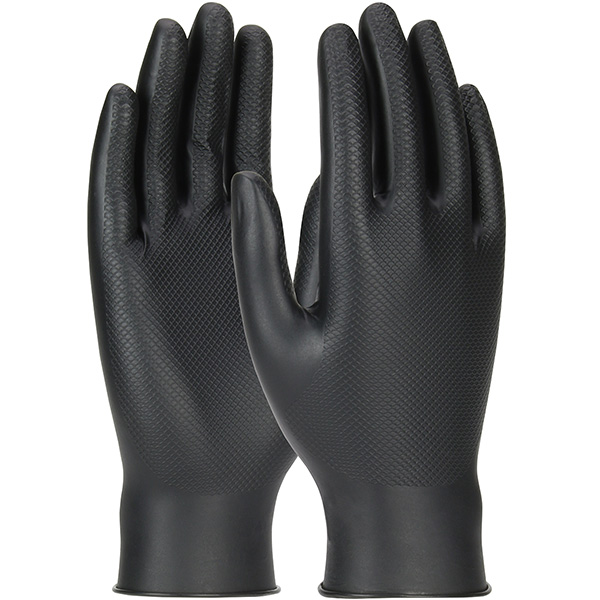
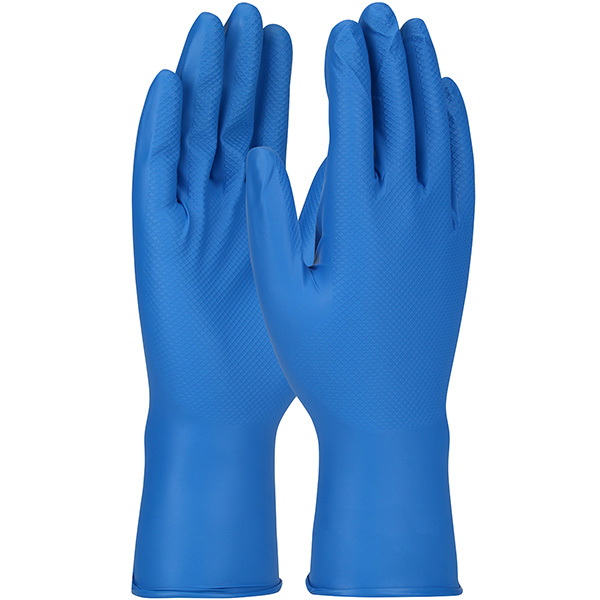
Extended Use Disposable GlovesGrippaz™ Skins67-246
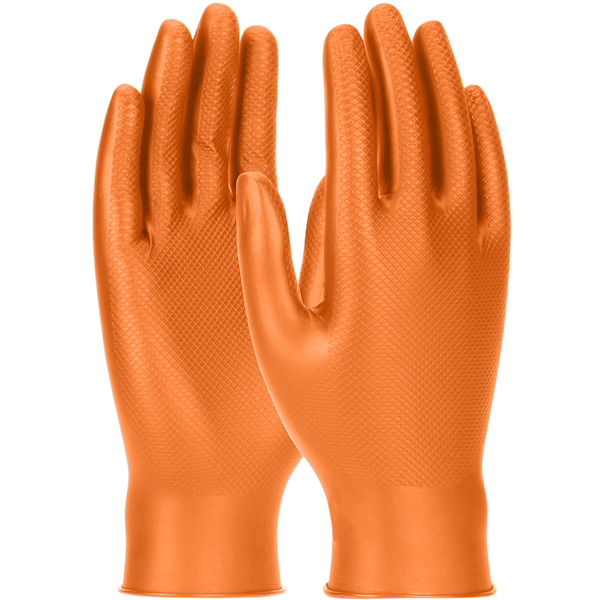
Extended Use Disposable GlovesGrippaz™ Skins67-256
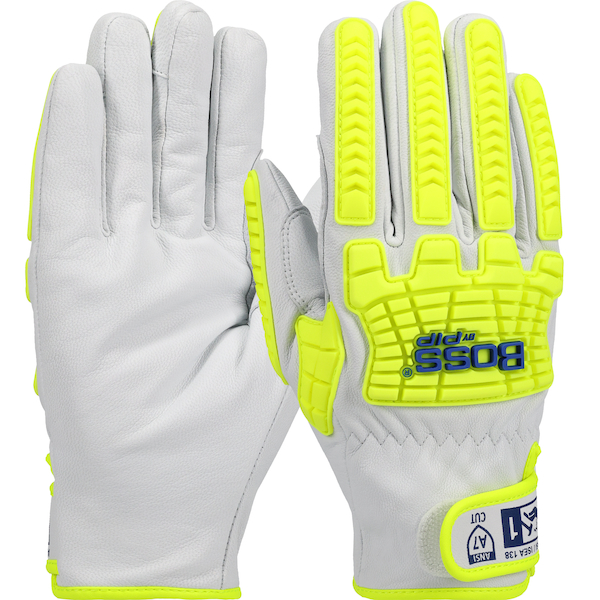
Hi Performance GloveBoss® 9916
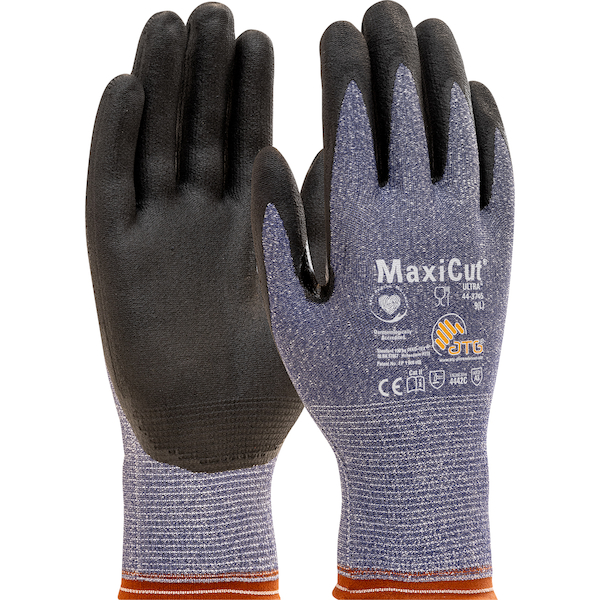
Cut Resistant GlovesATG® MaxiCut® Ultra™44-3745
Extended Use Disposable GlovesGrippaz™ Food Plus67-308
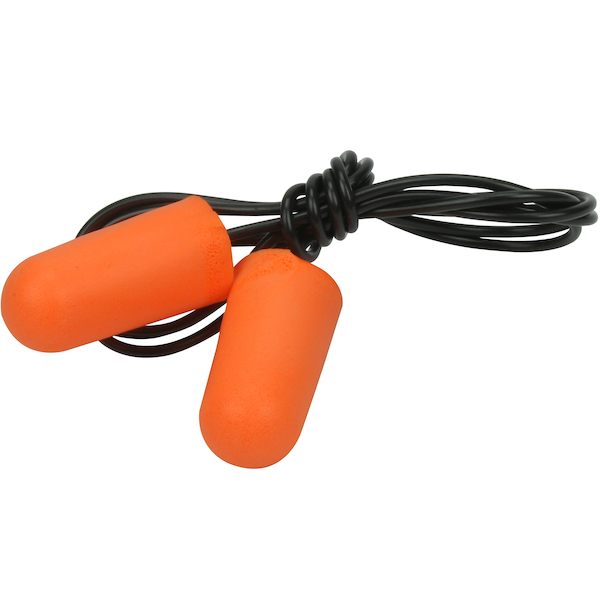
Ear PlugsPIP® Mega Bullet™267-HPF210C
Evaporative CoolingPIP® EZ-Cool®396-602
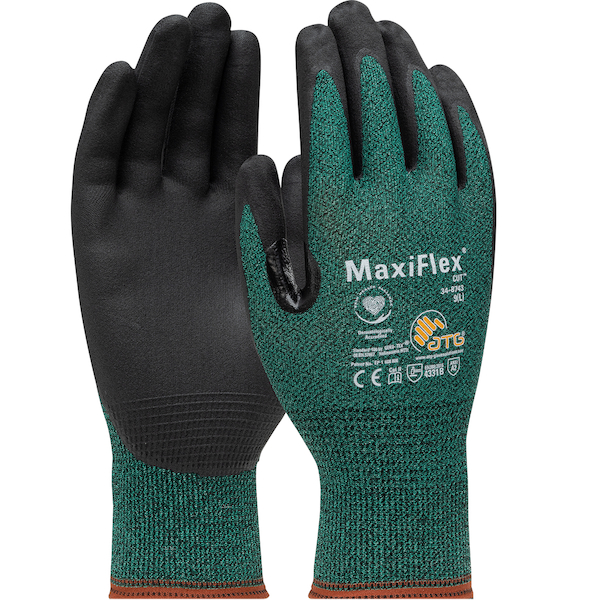
Cut Resistant GlovesATG® MaxiFlex® Cut™34-8743
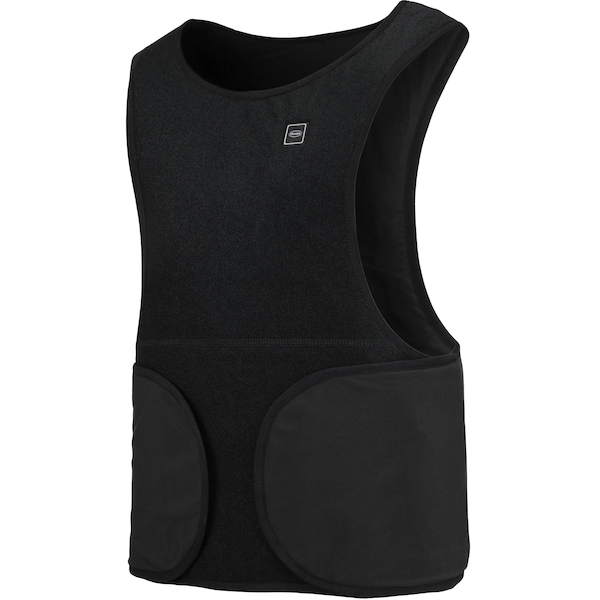
Heated ApparelBoss® Therm™300-HV100
Evaporative CoolingPIP® EZ-Cool® Max391-EZ275
Evaporative CoolingPIP® EZ-Cool® Max396-EZ900
United States - English
Canada - English
Canada - Français
Mexico - English
México - Español
Latin America - English
América Latina - Español

Falls remain one of the leading hazards in construction. In 2023, OSHA reported 421 worker fatalities from falls, with thousands more injured. For safety professionals, the challenge isn’t awareness: it’s proactively identifying fall hazards and ensuring effective controls are in place. Whether the risk exists on ladders, scaffolds, roofs, or any elevated surface, safety professionals play a critical role in enforcing safe work practices and making it clear that fall protection is never optional.
OSHA defines three essential components of a Personal Fall Arrest System (PFAS): the ABCs of Fall Protection: Anchor, Body Wear, and Connector. But equipment alone isn’t enough. Workers also need the knowledge, planning, and readiness outlined in the SAFE Model: Secure, Attachment, Fall Arrest and Rescue, Emergency Preparedness.
Together, ABC + SAFE create a complete, effective fall protection strategy.
The ABCs of Fall Protection
A — Anchor
The secure point that supports the entire system is known as the Anchor. The type of anchor and system used depends on the task: temporary systems for short‑term or changing work, and permanent systems for areas requiring routine access. As the system’s foundation, the anchor must withstand fall forces, with OSHA requiring each anchor point to support 5,000 lbs. per worker or be engineered with a 2:1 safety factor. Take Note: If the anchor fails, the entire system fails.
Best practices:
We recommend: Miller® Cross-Arm Strap
Made from high‑strength, lightweight materials for durability without added bulk, the adjustable strap provides a secure fit on cross‑arms or similar structures, with a built‑in D‑ring for reliable connection to fall protection equipment.
B — Body Wear (Full‑Body Harness)
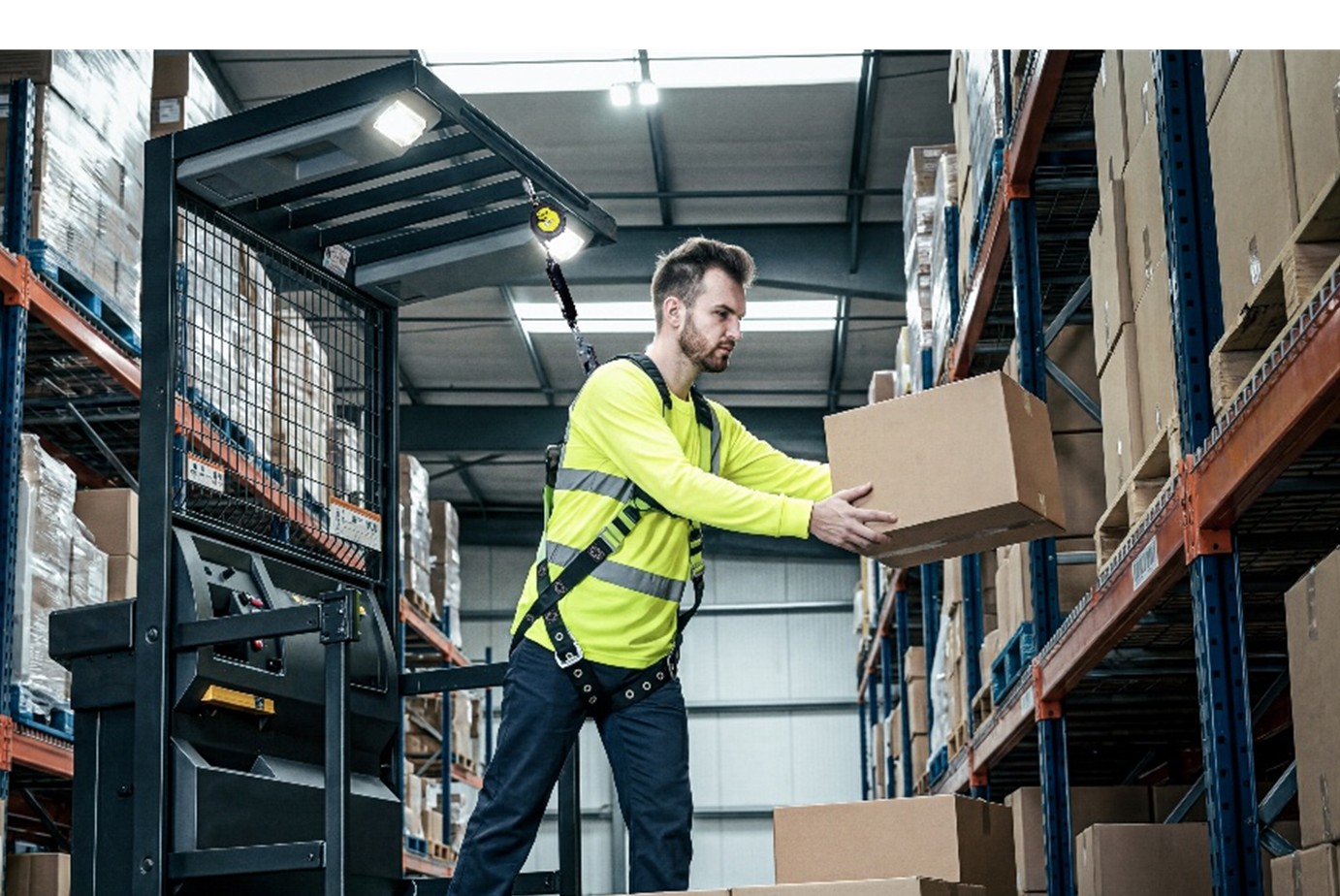
In the event of a fall, a properly fitted harness helps limit free‑fall distance, reduces arresting forces on the body, and supports circulation—critical factors in minimizing injury and suspension trauma while awaiting rescue.
Take Note: Improper fit is a leading cause of fall-related injury.
A proper harness should:
We recommend: Miller® H500 Construction Comfort Full-Body Harness
Delivers fall‑force management that keeps the worker upright and supports circulation to reduce suspension‑trauma risk. Featuring five points of adjustment, a back D‑ring, integrated belt, and breathable ergonomic padding, it provides a secure fit, proper post‑fall positioning, and added comfort during rescue.
C — Connector
The connector links the harness to the anchor and may be a shock-absorbing lanyard, lifeline or self-retracting lifeline (SRL). It engages during a fall to arrest the descent. In the event of a fall from height, the connector limits free‑fall distance, absorbs and reduces arresting forces on the body, keeps the worker upright to support circulation, and helps minimize the risk of suspension trauma while allowing for prompt rescue.
Take Note: The connector doesn’t just link components—it controls the outcome of a fall.
Connectors must:
We recommend: Miller® TurboLite+™ Single Web Personal Fall Limiter, which
provides reliable fall protection for workers up to 420 lbs, Features include Vectran™ webbing, steel carabiner, steel locking snap hook, and an integral swivel to reduce lifeline twisting. Its compact design makes it ideal for reducing fall clearance requirements.
The SAFE Model: Beyond Equipment, Toward Full Cycle Protection
The SAFE Model strengthens fall protection programs by focusing on planning, setup, proper use, rescue readiness, and training. While the ABCs describe the gear, SAFE describes the process.
S — Secure Anchor & System Setup
SAFE begins with proper planning: selecting anchor points, routing lifelines, tensioning systems, and configuring equipment based on hazards.
Clear, preplanned setups remove guesswork, which is one of the biggest barriers to daily compliance.
A — Attachment & Body Support
This step ensures the worker has the right harness, fits it correctly, and uses any comfort or support features such as relief straps.
Better comfort = better compliance.
F — Fall Arrest & Fall Rescue Devices
SAFE includes not just connectors but also SRLs, deceleration devices, rescue tools, and self-rescue systems.
When workers trust the system, especially its rescue plan, they use it more consistently.
E — Emergency Preparedness & Education
Training, communication, rescue planning, and inspection skills ensure workers know what to do before, during, and after a fall.
Workers follow rules they understand, making education the strongest compliance driver.
How SAFE Improves Compliance
SAFE addresses the real causes of poor compliance:
Conclusion
The ABCs provide the foundation. SAFE ensures the system performs when it matters most.
Together, ABC + SAFE form a complete lifecycle approach that improves compliance, reduces risk, and saves lives. For Safety Professionals, this framework turns policy into practice, guiding system selection, training, and rescue planning from the jobsite up.
Review your current fall protection program against both ABC and SAFE to identify gaps and strengthen performance where it counts.
Want to dig deeper or get guidance on choosing the right system? Visit our Fall Protection Solutions page for more helpful resources.
The Psychology Behind Effective Food Safety Culture
What’s the first thing you think of when you see a firefighter helmet? If your answer was hero, rescue, save, protect or first responder, you’d be in line with the majority of Americans. The…
READ MOREUnderstanding The Differences Between Antimicrobial, Antiviral and Antibacterial Hand Protection
ANTIMICROBIAL - ANTIVIRAL - ANTIBACTERIAL: What Does This All Mean for Hand Protection? by Anthony Di Giovanni, Vice President of Global Marketing Safety managers are demanding PPE tha…
READ MOREReusable vs. Disposable – Using The Right Garment For The Right Job
Disposable garments or reusable garments – which choice is right for you? There has always been back-and-forth about whether reusable or disposable garments are best for the workplace. Safety ma…
READ MOREPrivacy Policy | Cookie Preference | Contact Us | Full Site
© 2012-2026 Protective Industrial Products, Inc. All rights reserved.
CALL US TODAY: +(86) 21 6317 0303