United States - English
Canada - English
Canada - Français
Mexico - English
México - Español
Latin America - English
América Latina - Español
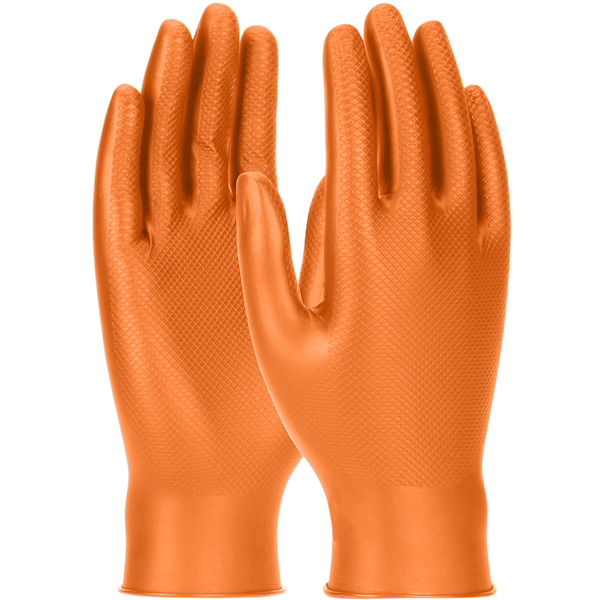
Extended Use Disposable GlovesGrippaz™ Skins67-256
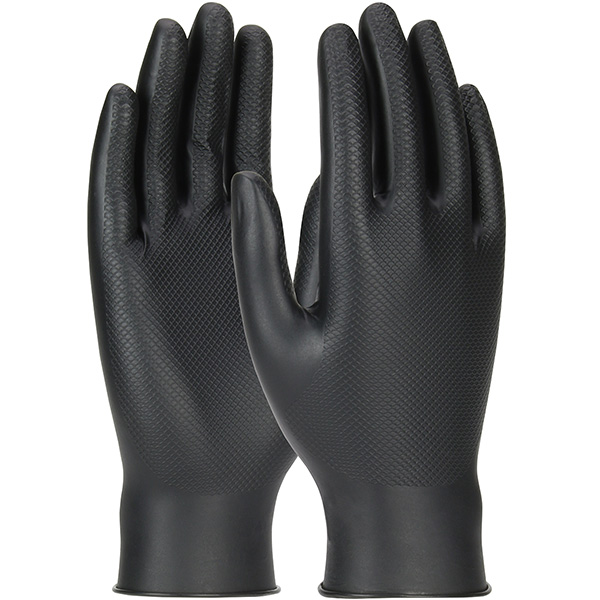
Extended Use Disposable GlovesGrippaz™ Skins67-246
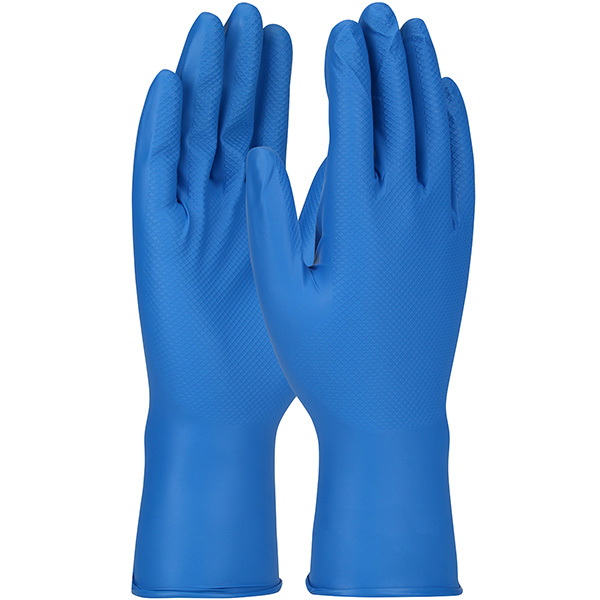
Extended Use Disposable GlovesGrippaz™ Food Plus67-308
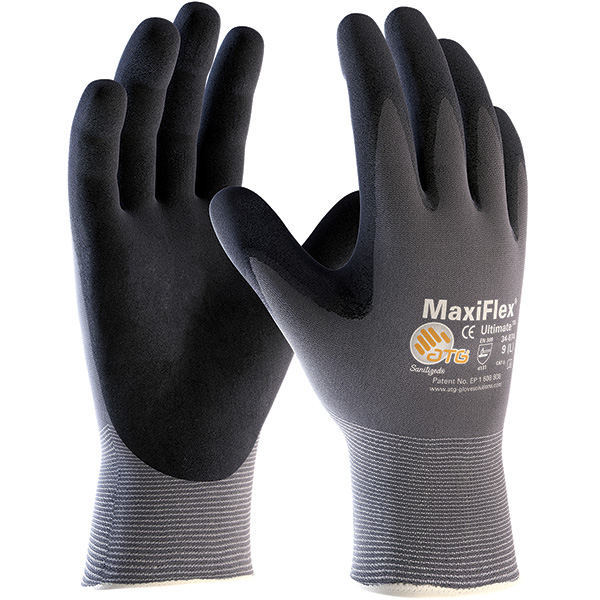
General Purpose Gloves - CoatedATG® MaxiFlex® Ultimate™34-874
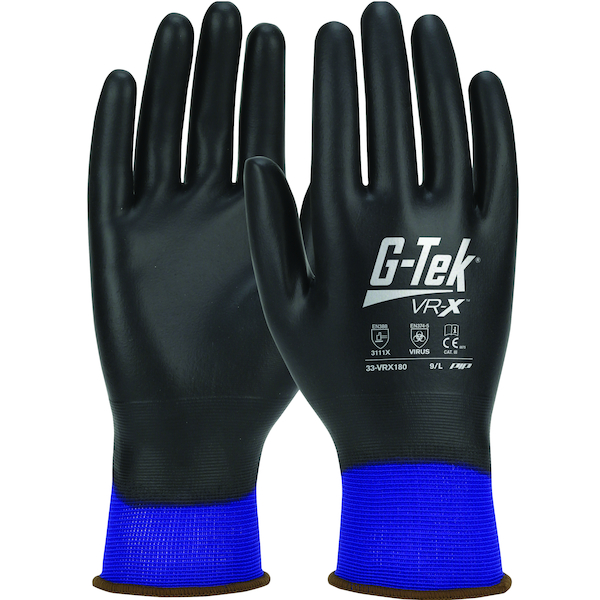
General Purpose Gloves - CoatedG-Tek® VR-X™33-VRX180
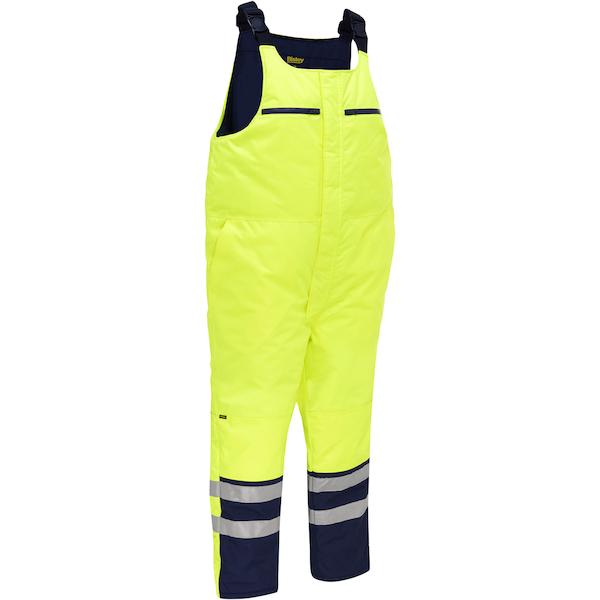
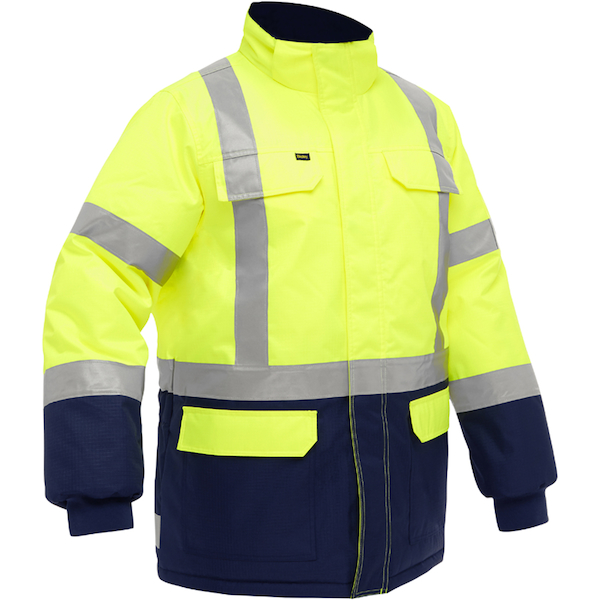
Cold Weather WearBisley® Extreme Cold318M6452T
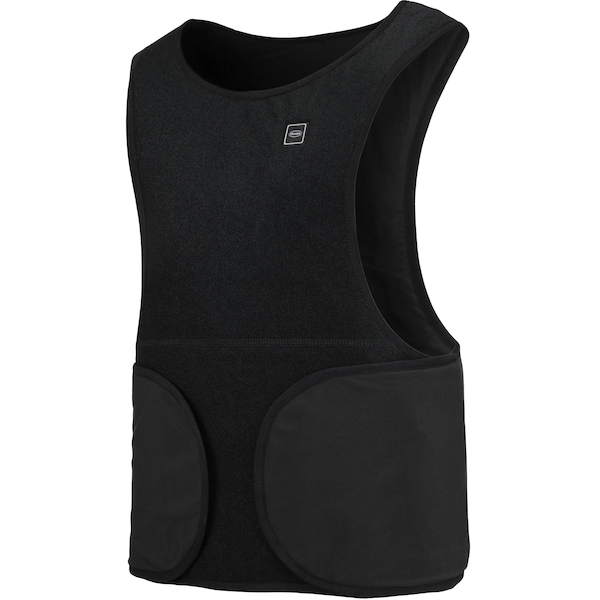
Heated ApparelBoss® Therm™300-HV100
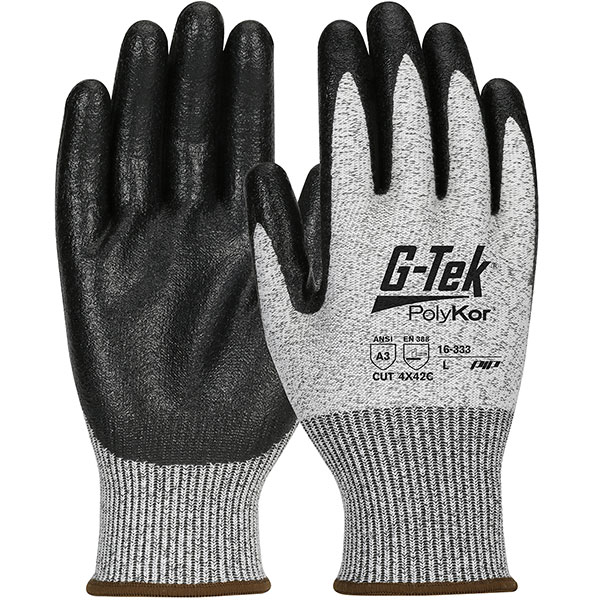
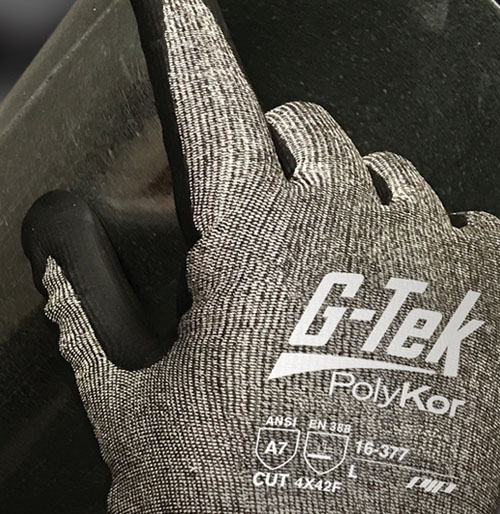
Cut Resistant GlovesG-Tek® PolyKor®16-333
Cold Weather WearBisley® Extreme Cold343M6450X
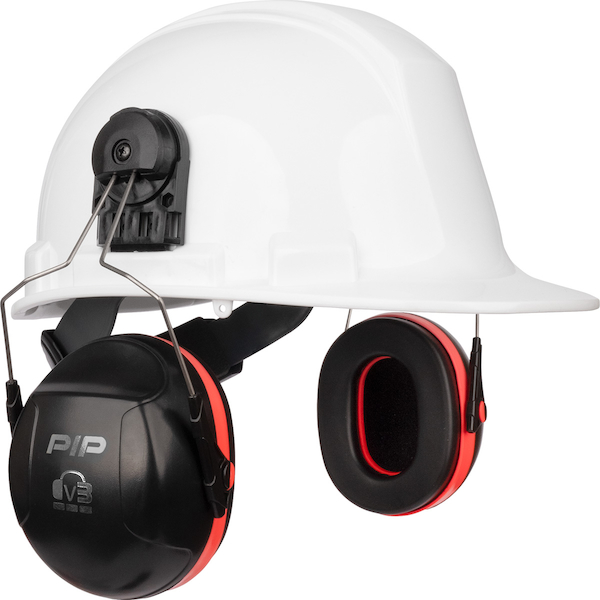
Ear MuffsPIP® v3™263-V3CM
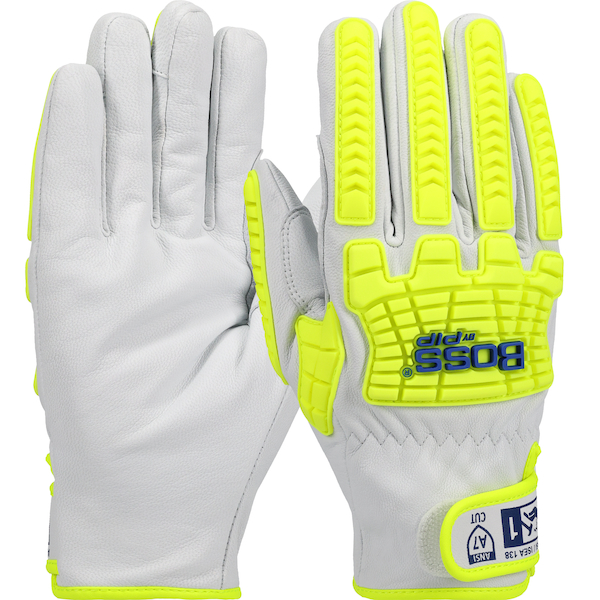
Hi Performance GloveBoss® 9916
United States - English
Canada - English
Canada - Français
Mexico - English
México - Español
Latin America - English
América Latina - Español

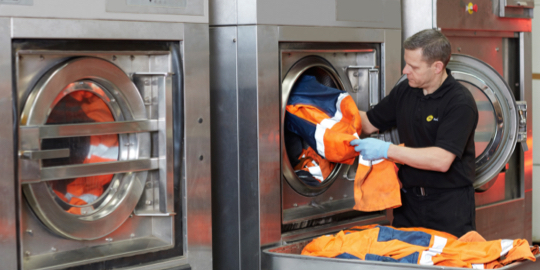
Rising operating costs, stricter hygiene standards and the push for faster turnaround times are driving many companies to revisit how they manage workwear laundering. For industries where workers depend on uniforms or protective garments, like construction, manufacturing, logistics, utilities, food processing, healthcare and emergency services, the consistency and control of an in-house program is becoming more appealing.
This shift isn’t new. Industry insights show a growing preference for on-premises laundering, with one report finding that roughly 97% of an estimated 525,000 global commercial laundry sites already operate under an on-premises model. Leading equipment manufacturers and service providers echo this trend, noting that many businesses are developing their own in-house laundries or shifting back to OPL models to regain quality control and predictability and industry chemical suppliers point to a clear long-term preference emerging for on-premises programs.
If you’re considering bringing laundering in-house, the decision goes far beyond buying a few machines. Below are five practical tips to help you build a program that supports compliance, controls cost and protects your workforce.
The first step is determining whether an on-premises model is financially and operationally sustainable.
A strong analysis should include:
This step sets the foundation for whether an in-house operations is the right long-term strategy for your business.
Equipment choice significantly influences quality, throughput and compliance.
Look for:
Well-selected equipment improves reliability and helps maintain the integrity of protective garments over time.
Improper laundering can degrade protective garments, from fading hi-vis to weaking flame-resistant properties.
Key practices include:
Correct laundering helps preserve PPE performance and ensures workers remain protected.
A well-designed workflow prevents cross-contamination, reduces bottlenecks and supports consistent output.
Build your program around:
The more structured the process, the more predictable, and cost-effective, your results will be.
In-house laundering offers a unique opportunity to align with ESG and worker wellbeing initiatives.
Consider:
Sharing sustainability improvements with customers and employees can further reinforce your organization’s commitment to responsible operations.
Why Garment Selection Matters – Bisley® Performance Workwear
Even the most advanced in-house laundering setup depends on selecting garments built to withstand rigorous washing. Workwear not engineered for industrial laundering can fade quickly, lose shape or fail to meet safety standards after repeated cycles. Bisley® Performance Workwear is designed specifically for these demands, offering durable, colorfast fabrics, reinforced seams and dual-certified NFPA 2112 / NFPA 70E arc-rated protection that remains effective after repeated wash cycles. Longer-lasting garments reduce replacement costs, support sustainability goals and help maintain a consistent, professional appearance.

A Shift With Real Impact
Moving to an in-house laundering program is a strategic decision that requires planning, investment and clear operational processes. While it requires thoughtful planning and upfront investment, companies that implement the right equipment, workflows and garments often gain tighter control over quality, faster turnaround times and more predictable long-term costs. With a well-structured approach, an in-house laundering program can become a valuable extension of your safety, quality and sustainability efforts.
Interested in evaluating your laundering strategy?
Contact us to connect with a workwear specialist who can help assess your needs and recommend durable, industrial-laundry-ready solutions for your team.
The Psychology Behind Effective Food Safety Culture
What’s the first thing you think of when you see a firefighter helmet? If your answer was hero, rescue, save, protect or first responder, you’d be in line with the majority of Americans. The…
READ MOREUnderstanding The Differences Between Antimicrobial, Antiviral and Antibacterial Hand Protection
ANTIMICROBIAL - ANTIVIRAL - ANTIBACTERIAL: What Does This All Mean for Hand Protection? by Anthony Di Giovanni, Vice President of Global Marketing Safety managers are demanding PPE tha…
READ MOREReusable vs. Disposable – Using The Right Garment For The Right Job
Disposable garments or reusable garments – which choice is right for you? There has always been back-and-forth about whether reusable or disposable garments are best for the workplace. Safety ma…
READ MOREPrivacy Policy | Cookie Preference | Contact Us | Full Site
© 2012-2026 Protective Industrial Products, Inc. All rights reserved.
CALL US TODAY: +(86) 21 6317 0303